
 EN
EN
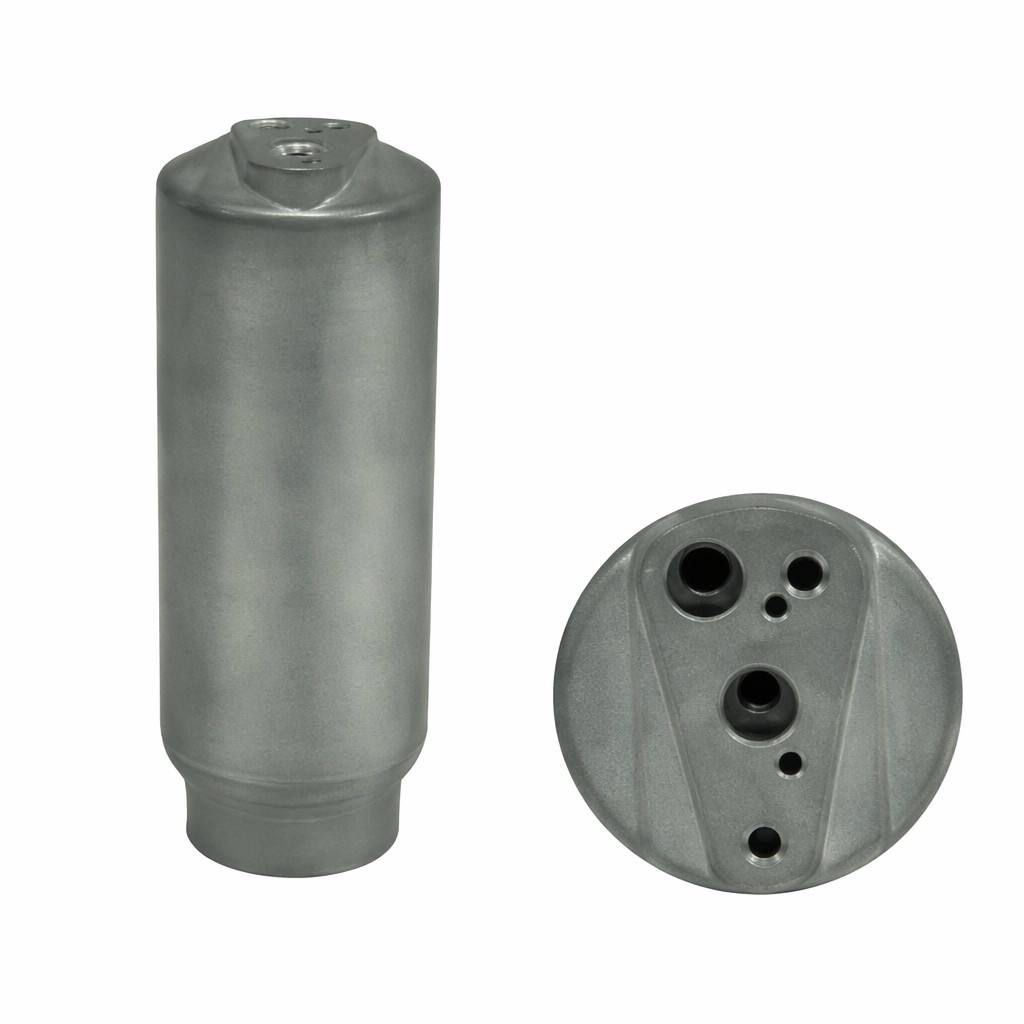
The Guardians of the Refrigerant Circuit
When maintaining complex heating, ventilation, and air conditioning systems, attention is frequently directed toward high-profile components like massive compressors or outdoor condenser units. Yet, the long-term survival and health of the entire closed-loop refrigeration network depend heavily on a small, unassuming inline guardian: the filter drier. Positioned strategically within the liquid line, this critical component is tasked with intercepting moisture, organic acids, and solid metallic debris before they can circulate through sensitive expansion valves and compressor mechanisms. Whether managing a sprawling commercial refrigeration setup, a high-density data center, or an industrial climate control infrastructure, overlooking the condition of the filter drier can trigger catastrophic mechanical failures. Understanding the vital chemistry and mechanical role of the filter drier is the first step toward achieving lasting system reliability and optimal thermal efficiency.
The Physics of Contamination and Moisture Control
Inside every operational cooling loop, synthetic oils and fluorocarbon refrigerants are subjected to continuous thermal and mechanical stress. Even microscopic traces of moisture or residual manufacturing debris left inside the tubing can react chemically under high operating temperatures, forming corrosive acids that eat away at copper windings and internal compressor valves. The modern filter drier prevents this destructive cycle by housing advanced desiccant materials—such as molecular sieves and activated alumina—alongside a fine filtration mesh. As liquid refrigerant flows through the filter drier, the desiccant aggressively adsorbs moisture while the core traps particulate matter down to a fraction of a micron. Engineers and material specialists emphasize that the material selection and drying capacity of the filter drier determine whether a cooling system remains chemically stable over years of heavy operation. Without a properly functioning filter drier, the thermodynamic cycle degrades rapidly due to oil sludging and acid accumulation.
Economic Impact and Operational Risks of Failed Units
The financial and operational fallout of a neglected or failing filter drier can be severe for building managers and facility operators. When a filter drier becomes saturated with moisture or completely choked with debris, it restricts the flow of liquid refrigerant to the evaporator, starving the system of cooling capacity. This flow restriction creates a noticeable pressure drop across the filter drier shell, forcing the compressor to work under severe stress and consume excess electricity to maintain target indoor temperatures. Furthermore, if moisture is allowed to circulate unchecked, it reacts with refrigerant oils to form hydrofluoric or hydrochloric acid, which can strip compressor insulation and trigger a complete burnout within hours. Investing in high-grade, certified filter drier replacements during routine maintenance prevents these hidden financial traps, protecting both operational budgets and heavy capital equipment from preventable, expensive failures.
Field Experience and Diagnostic Best Practices
In professional HVAC service environments, seasoned field technicians know that diagnosing mysterious cooling drops or intermittent system lockouts often starts right at the liquid line. During peak summer operational loads, extreme thermal stress pushes every component to its limit. Real-world case studies consistently reveal that checking for temperature drops across the inlet and outlet of a filter drier using an infrared thermometer is one of the fastest ways to identify internal clogging. Proactive service routines—such as replacing the filter drier during every major system overhaul, utilizing oversized filter drier options for heavy commercial applications, and conducting acid-test kits on oil samples—eliminate operational risks instantly. Every experienced field engineer understands that meticulous attention to the filter drier separates a temporary patch job from a professional, highly reliable industrial repair.
Manufacturing Excellence and Eletek Supply Standards
Achieving the highest standard of operational reliability and chemical protection requires more than just skilled field maintenance; it demands access to robust hardware supported by a trustworthy supply chain. Eletek understands the rigorous technical demands of the global HVAC and industrial cooling sectors. By focusing on advanced manufacturing standards, stringent pressure-testing protocols, and superior desiccant selection, Eletek provides the essential filter drier options and precision thermal management accessories that professional contractors and facility managers rely on daily. The engineering expertise behind every filter drier component supplied by Eletek ensures seamless integration, maximum structural durability, and superior performance under extreme operating pressures. Choosing Eletek as an industry partner means gaining access to precision-engineered filter drier solutions designed to withstand heavy industrial use, thereby securing long-term operational stability and safety for any commercial cooling infrastructure.
Sustaining Long Term Infrastructure Reliability and Efficiency
The cumulative benefit of prioritizing precise hardware selection and utilizing high-grade filter drier components is an extended, trouble-free life cycle for the entire climate control infrastructure. In modern facility management, sustainability, energy conservation, and system dependability are paramount objectives that directly influence operational budgets and corporate environmental targets. By ensuring that every cooling loop is protected by a high-performance filter drier, organizations effectively minimize maintenance overhead while maximizing thermal exchange efficiency across all operational zones. Eletek remains firmly dedicated to empowering the industrial and commercial sectors with durable, high-performance filter drier solutions that exceed global expectations. Through an unwavering commitment to engineering precision and reliable supply chain support, Eletek ensures that cooling systems continue to perform at their absolute best, providing a solid foundation for sustainable growth and operational success for years to come.
Table of Contents
- The Guardians of the Refrigerant Circuit
- The Physics of Contamination and Moisture Control
- Economic Impact and Operational Risks of Failed Units
- Field Experience and Diagnostic Best Practices
- Manufacturing Excellence and Eletek Supply Standards
- Sustaining Long Term Infrastructure Reliability and Efficiency

