
 EN
The Dynamics of Rapid Temperature Pull-Down
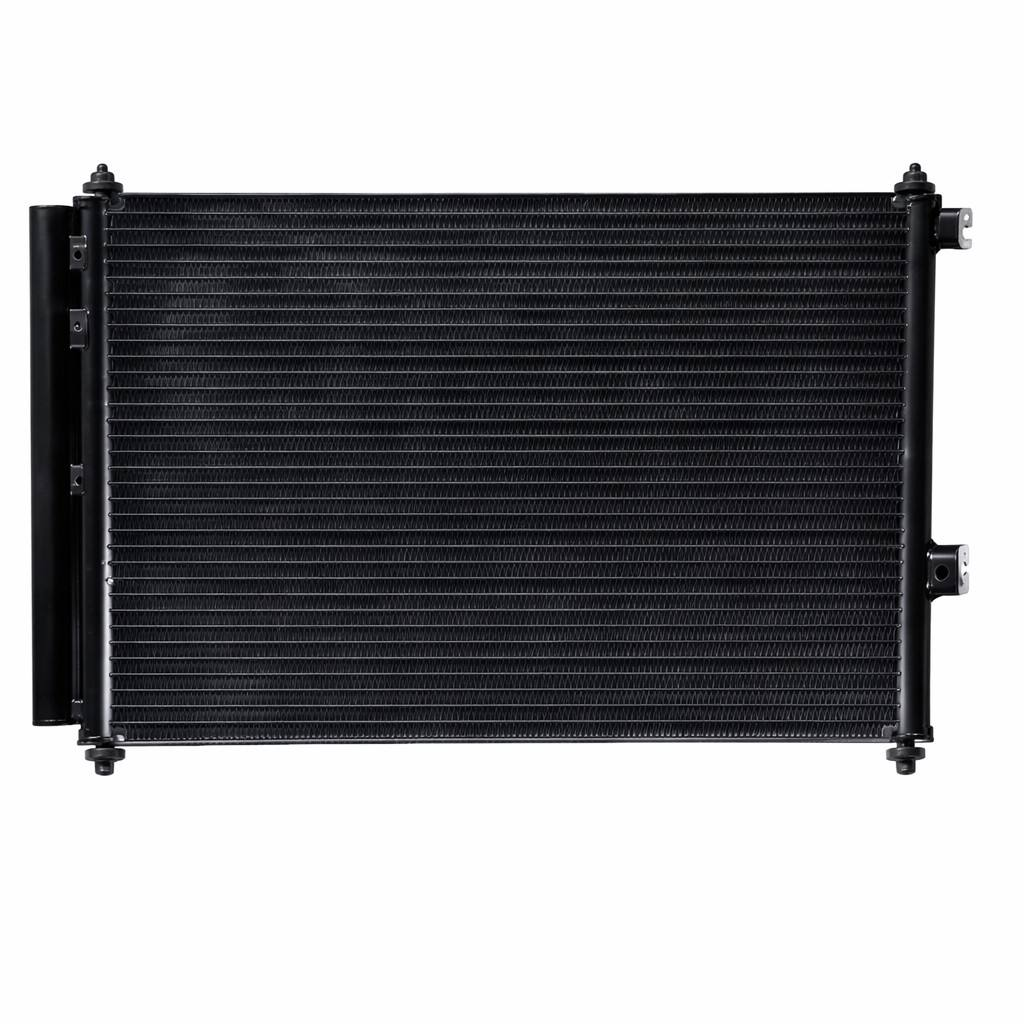
When managing large commercial facilities, corporate offices, or industrial cold storage spaces, achieving fast cooling response times is a top operational priority. Building owners often attribute slow temperature pull-down rates to an underpowered compressor or an improperly sized outdoor unit. However, thermal engineers and field specialists know that cooling speed depends entirely on the collective performance of individual air conditioning parts operating within the closed-loop system. Every single component—from expansion valves and filter driers to access ports and fan assemblies—plays a direct role in how rapidly heat is extracted from indoor air and expelled outside. When substandard air conditioning parts create fluid friction or air resistance, the entire cooling cycle slows down, extending pull-down times and forcing systems to run under heavy stress. Understanding how precision-engineered air conditioning parts optimize thermal transfer velocity is essential for facility managers seeking rapid indoor comfort and reduced power consumption.
Thermodynamic Velocity and Component Synergy
Inside every active cooling system, refrigerant undergoes continuous phase changes that rely on precise fluid dynamics across all installed air conditioning parts. During initial system startup, liquid refrigerant must flow rapidly toward the evaporator coil to begin absorbing ambient indoor heat immediately. If restrictive air conditioning parts or narrow internal orifices impede fluid velocity, the refrigerant starves, reducing the total Btu absorption rate per minute. Furthermore, the thermal conductivity of coil metals and the aerodynamic efficiency of fan blades directly dictate how fast heat transfers across mechanical barriers. When high-grade air conditioning parts maintain precise internal tolerances, the system achieves rapid pressure stabilization and optimal mass flow rates. Engineering data demonstrates that eliminating pressure drops across key air conditioning parts ensures maximum refrigerant saturation in the evaporator, enabling the climate control network to lower ambient indoor temperatures in a fraction of the standard operational time.
Economic ROI and Operational Speed Metrics
The commercial impact of slow cooling speeds caused by degraded air conditioning parts can be remarkably costly for enterprise budgets and facility management operations. Extended pull-down cycles force compressors and blower motors to run continuously at peak power draw, driving utility expenses upward and triggering expensive peak demand charges from electrical utility providers. Commercial field audits indicate that systems hampered by worn or restrictive air conditioning parts take up to forty percent longer to reach programmed setpoint temperatures during high ambient heat conditions. This prolonged operation accelerates mechanical wear, increases the frequency of emergency service calls, and risks thermal damage to sensitive electronic equipment or perishable commercial goods. Sourcing certified, heavy-duty air conditioning parts eliminates these hidden costs, delivering a fast return on investment through shortened operating cycles, lower energy consumption, and extended capital equipment longevity.
Field Diagnostics and Practical Service Insights
In professional HVAC service environments, field technicians frequently encounter customer complaints regarding sluggish cooling performance that directly traces back to faulty air conditioning parts. During peak summer operational periods, extreme ambient heat tests the structural and operational limits of every installed component. Field diagnostic logs reveal that slight restrictions within liquid line filter driers, sticky expansion valve needles, or bent fan blades are primary culprits behind delayed cooling speeds. Technicians utilizing digital manifold gauges and infrared thermal cameras consistently find that restricted air conditioning parts create abnormal temperature splits across fluid lines, starving the evaporator of cold refrigerant. Proactive maintenance routines—such as testing pressure differentials across filter housings, verifying valve superheat settings, and replacing fatigued air conditioning parts during scheduled overhauls—instantly restore rapid pull-down capabilities. Every skilled service specialist understands that installing precision-engineered air conditioning parts separates a temporary patch job from a long-lasting, fast-cooling industrial solution.
Engineering Quality and Eletek Supply Excellence
Achieving superior cooling speed and long-term operational stability requires more than just skilled field service; it demands access to robust hardware supported by a trustworthy global supply chain. Eletek understands the rigorous technical requirements of modern commercial and industrial cooling applications. By focusing on advanced manufacturing standards, stringent quality assurance protocols, and superior material selection, Eletek provides essential air conditioning parts and precision thermal management accessories that professional contractors rely on daily. The engineering expertise built into every component supported by Eletek ensures seamless integration, maximum structural durability, and optimal fluid dynamics under extreme operating pressures. Choosing Eletek as an industry partner means gaining access to precision-engineered air conditioning parts designed to withstand heavy industrial use, thereby securing fast cooling response times, exceptional energy efficiency, and operational safety for any commercial infrastructure.
Sustaining Long Term Infrastructure Reliability
The cumulative benefit of prioritizing precise component selection and utilizing high-grade air conditioning parts is an extended, trouble-free life cycle for the entire climate control infrastructure. In modern facility management, fast system response, energy conservation, and operational dependability are vital benchmarks that directly shape corporate sustainability targets and financial performance. By ensuring that every physical element within the cooling loop is built to withstand rigorous industrial demands, organizations effectively minimize maintenance overhead while maximizing thermal exchange efficiency across all operational zones. Eletek remains firmly dedicated to empowering the commercial and industrial sectors with durable, high-performance air conditioning parts that exceed global standards. Through an unwavering commitment to manufacturing precision and reliable supply chain services, Eletek ensures that cooling systems continue to perform at peak efficiency, establishing a solid foundation for sustainable growth and operational success for years to come.

