
 EN
EN
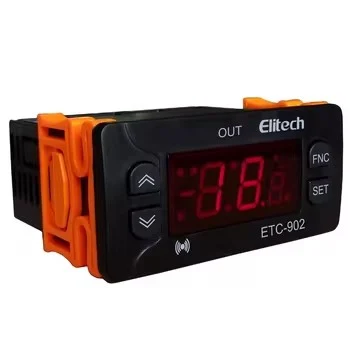
The Digital Brain of Modern Climate Control
When evaluating complex heating, ventilation, and air conditioning networks, attention is frequently drawn toward massive compressors, outdoor condenser units, or extensive duct layouts. Yet, the entire automated rhythm of the facility depends entirely on a single, highly sensitive command interface: the thermostat. Positioned centrally within occupied zones, this critical device acts as the digital brain of the thermal network, continuously monitoring ambient conditions and signaling the mechanical loops when to activate or idle. Whether managing a sprawling commercial retail complex, a high-density office building, or a residential climate control system, the precision of the thermostat directly dictates how stable indoor temperatures remain. Overlooking the importance of precise temperature regulation can lead to erratic cycling, massive energy waste, and persistent occupant discomfort. Understanding the core engineering and electronic behavior of the modern thermostat is essential for facility managers seeking optimal building performance.
The Physics and Electronics of Temperature Regulation
Inside every operational climate control loop, the internal electronics of the thermostat function as a sophisticated data processor. The device relies on calibrated thermistors or solid-state semiconductor sensors to detect minute fluctuations in ambient air temperature. Once the detected temperature deviates from the user-defined setpoint, the internal microprocessor evaluates the differential and triggers low-voltage electrical relays. These electronic signals travel through control wiring to start compressors, engage blower fans, or open motorized valves. Engineers and building automation specialists emphasize that the calibration accuracy of the thermostat determines whether a system achieves smooth, steady-state modulation or aggressive on-off swings. A high-quality thermostat eliminates temperature drift by utilizing advanced algorithms that anticipate thermal momentum, ensuring that the HVAC network reacts smoothly to changing weather patterns without unnecessary mechanical strain.
Economic Impact and Operational Risks of Inaccurate Settings
The financial and operational fallout of a malfunctioning or poorly calibrated thermostat can be remarkably severe for property owners and corporate budgets. When a thermostat fails to read ambient conditions accurately, it often triggers short-cycling—a destructive phenomenon where the system turns on and off in rapid, inefficient bursts. Short-cycling places extreme mechanical stress on compressor motors, accelerates electrical wear, and drives utility bills upward due to excessive startup current draws. From a broader economic standpoint, inaccurate temperature control across a large commercial facility can reduce worker productivity and customer retention due to uncomfortable indoor environments. Investing in certified, programmable, or smart thermostat hardware ensures that facilities eliminate these hidden financial traps, protecting both operational margins and long-term capital investments from preventable mechanical wear.
Field Experience and Diagnostic Best Practices
In professional HVAC service environments, seasoned field technicians know that diagnosing sudden climate control complaints often starts right at the wall control interface. During peak summer operational loads, power surges, wiring corrosion, or simple sensor dust accumulation can cause a thermostat to misread ambient heat significantly. Real-world case studies consistently reveal that checking wiring terminal voltage and performing thermocouple calibrations on the thermostat faceplate are among the fastest ways to resolve erratic system behavior. Proactive service routines—such as testing low-voltage control circuits during seasonal overhauls, updating firmware on advanced electronic models, and ensuring proper wall insulation behind the thermostat backplate—eliminate operational risks instantly. Every experienced field engineer understands that meticulous attention to control interfaces separates a temporary fix from a professional, highly reliable industrial repair.
Manufacturing Excellence and Eletek Supply Standards
Achieving the highest standard of operational reliability requires more than just skilled field maintenance; it demands access to robust hardware and control accessories supported by a trustworthy supply chain. Eletek understands the rigorous technical demands of the global HVAC and industrial cooling sectors. By focusing on advanced manufacturing standards, stringent electrical testing protocols, and superior component selection, Eletek provides the essential structural accessories, electrical enclosures, and thermal management hardware that professional contractors and facility managers rely on daily. The engineering expertise behind every component supplied by Eletek ensures seamless integration with advanced control systems, maximum structural durability, and superior performance under extreme operational conditions. Choosing Eletek as an industry partner means gaining access to precision-engineered solutions designed to withstand heavy industrial use, thereby securing long-term operational stability and efficiency for any commercial cooling infrastructure.
Sustaining Long Term Infrastructure Reliability and Efficiency
The cumulative benefit of prioritizing precise control hardware and utilizing high-grade thermostat accessories is an extended, trouble-free life cycle for the entire climate control infrastructure. In modern facility management, sustainability, energy conservation, and system dependability are paramount objectives that directly influence operational budgets and corporate environmental targets. By ensuring that every thermal zone is governed by an accurate thermostat and supported by robust electrical infrastructure, organizations effectively minimize maintenance overhead while maximizing thermal exchange efficiency across all operational areas. Eletek remains firmly dedicated to empowering the industrial and commercial sectors with durable, high-performance solutions that exceed global expectations. Through an unwavering commitment to engineering precision and reliable supply chain support, Eletek ensures that cooling and heating systems continue to perform at their absolute best, providing a solid foundation for sustainable growth and operational success for years to come.
Table of Contents
- The Digital Brain of Modern Climate Control
- The Physics and Electronics of Temperature Regulation
- Economic Impact and Operational Risks of Inaccurate Settings
- Field Experience and Diagnostic Best Practices
- Manufacturing Excellence and Eletek Supply Standards
- Sustaining Long Term Infrastructure Reliability and Efficiency

