

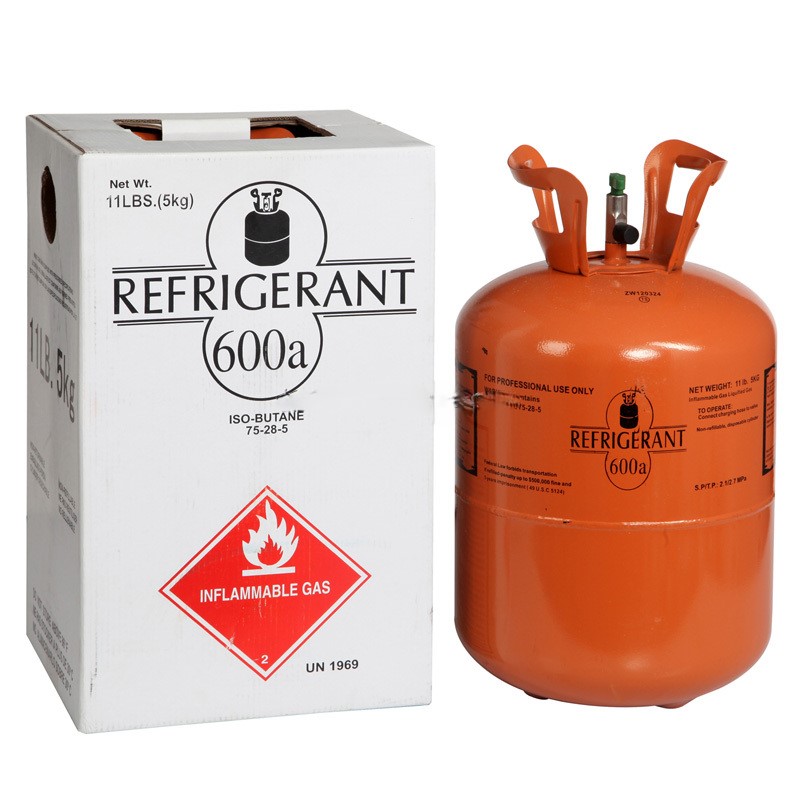
Refrigerant Gas: Essential Cooling Medium
Refrigerant gas (also called cooling gas, refrigerant) is a fluorochemical working medium for heat transfer in air conditioners, refrigerators, cold storage, heat pumps and industrial cooling equipment. It absorbs heat from low-temperature spaces and releases heat at high pressure through phase change (liquid ↔ gas) to realize refrigeration circulation.
Refrigerant gas is a critical, specialized heat-transfer fluid that serves as the fundamental working medium enabling all forms of mechanical cooling, air conditioning, and refrigeration across virtually every sector of modern life. Often described as the "blood" or "lifeblood" of cooling systems, this remarkable substance circulates continuously through sealed circuits, repeatedly undergoing phase changes between liquid and gaseous states to absorb, transport, and release thermal energy with extraordinary efficiency. Without refrigerant gas, the refrigerators preserving our perishable foods, the air conditioners cooling our homes and offices, the freezers maintaining our frozen goods, the cold chains delivering fresh produce across continents, and the industrial chillers supporting manufacturing processes would simply cease to function. Its applications span an immense spectrum, from compact household appliances like domestic refrigerators, wine coolers, and portable air conditioners, to expansive commercial cold chain networks comprising refrigerated trucks, container ships, warehouse cold rooms, and supermarket display cases. It is equally indispensable in large-scale industrial cooling systems serving pharmaceutical production, chemical processing, data center thermal management, and sophisticated HVAC equipment that regulates temperature and humidity in hospitals, shopping malls, office towers, and transportation hubs such as airports and railway stations.
To fully appreciate the extraordinary role of refrigerant gas, one must understand the elegant yet powerful thermodynamic principle upon which its operation depends: the vapor-compression refrigeration cycle, a continuous, closed-loop process comprising four fundamental stages that work in seamless harmony to transfer heat from a desired low-temperature environment to a higher-temperature external space. This cycle, invented over a century ago and refined through generations of engineering innovation, remains the most efficient and widely adopted method of artificial cooling available today.
The first stage of this cycle is evaporation, which occurs inside the evaporator coil located within the refrigerated compartment. Here, the refrigerant enters as a cold, low-pressure liquid typically at a temperature well below the desired indoor or internal space temperature. As it passes through the evaporator, it absorbs heat from the surrounding air—the warm air inside your refrigerator cabinet or room is blown across the coil by a fan—causing the refrigerant to boil and evaporate into a low-pressure, low-temperature gas or vapor. This phase change from liquid to gas requires a substantial amount of latent heat, known as the enthalpy of vaporization, which is drawn directly from the ambient environment. The result is that the air surrounding the evaporator loses thermal energy and becomes noticeably colder, producing the cooling effect that preserves food or provides comfort. During this stage, the refrigerant effectively acts as a thermal sponge, soaking up unwanted heat and converting it into a gaseous state ready for the next phase of the cycle.
The second stage is compression, carried out by the compressor—often described as the heart of the refrigeration system. The low-pressure, low-temperature gaseous refrigerant exiting the evaporator is drawn into the compressor, where it is mechanically compressed by a piston, scroll, screw, or centrifugal impeller. This compression work dramatically raises both the pressure and temperature of the gas, transforming it into a high-pressure, high-temperature superheated vapor, typically reaching temperatures between 65°C and 120°C (150°F to 250°F) depending on the system design and operating conditions. The compressor expends significant electrical energy to achieve this pressure boost, but this energy is not wasted; it is precisely what elevates the refrigerant's temperature above that of the surrounding outdoor environment, making the subsequent heat rejection stage physically possible. The pressurized hot gas now carries both the original heat absorbed from the indoor space and the additional heat generated by the compression work itself.
The third stage is condensation, which occurs in the condenser coil, usually positioned outside the refrigerated space or on the exterior of the building. The high-temperature, high-pressure superheated vapor flows through the condenser, where it is exposed to cooler ambient air (or water in water-cooled systems). A condenser fan blows outdoor air across the coil, or cooling water circulates around the tubes, extracting thermal energy from the refrigerant. As heat is removed, the refrigerant releases its stored latent heat and undergoes a phase change back from gas to liquid, condensing into a warm, high-pressure liquid. This is the stage where the heat absorbed from inside the refrigerator, freezer, or building is finally expelled to the external environment—whether that be the outdoor air, a nearby water source, or a cooling tower. The warmth you feel blowing out from the back of a domestic refrigerator or from an outdoor air conditioner condenser unit is precisely this rejected heat. It is essential to understand that refrigeration does not "create cold" but rather moves thermal energy from one location to another, and the condenser is the exit point where that moved heat leaves the system.
The fourth and final stage is expansion or throttling. The high-pressure liquid refrigerant leaving the condenser passes through an expansion device—typically a capillary tube, thermal expansion valve (TXV), or electronic expansion valve (EEV). This device creates a sudden pressure drop, causing the refrigerant to rapidly expand and atomize into a mist of low-pressure liquid and vapor mixture. This abrupt depressurization dramatically reduces the refrigerant's temperature, making it much colder than the space it is about to re-enter. The cold, low-pressure mixture then flows back into the evaporator, ready to absorb heat once again, completing the cycle. This continuous, repeating sequence—evaporation, compression, condensation, and expansion—occurs tirelessly, often dozens of times per hour, maintaining stable, precise temperature control with remarkable efficiency.
Throughout this continuous cycle, the refrigerant never gets "used up" or consumed; it is permanently contained within the sealed system, circulating indefinitely, alternately absorbing and releasing heat. This closed-loop design allows modern cooling systems to achieve stable temperature control efficiently, often maintaining target temperatures within ±0.5°C (±1°F) accuracy even under fluctuating ambient conditions. The efficiency of this cycle is quantified by the coefficient of performance (COP), which for modern refrigerant systems typically ranges from 3 to 5, meaning that for every unit of electrical energy consumed by the compressor and fans, three to five units of heat energy are moved from the cooled space to the outside—a feat far more efficient than simple resistive electric heating or ice-based cooling methods.
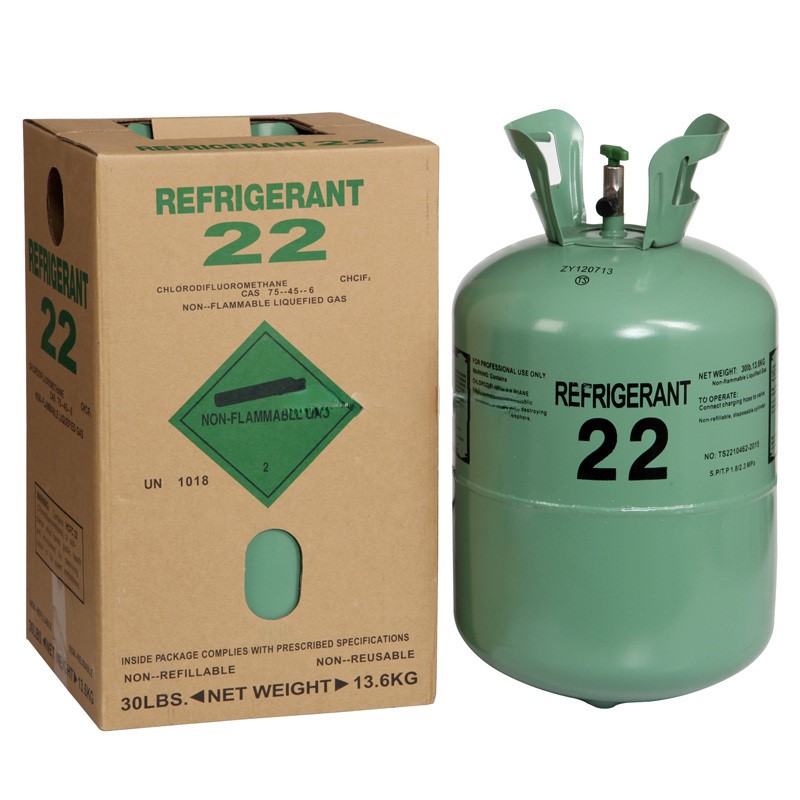
The choice of refrigerant gas chemistry has evolved dramatically over decades, driven by environmental concerns regarding ozone depletion and global warming potential. Early refrigerants like chlorofluorocarbons (CFCs) such as R-12 and R-502 were widely used for their stability and efficiency but were phased out under the Montreal Protocol due to their destructive impact on the stratospheric ozone layer. They were succeeded by hydrochlorofluorocarbons (HCFCs) like R-22, which offered a compromise but still possessed ozone-depleting properties and are now being progressively eliminated.
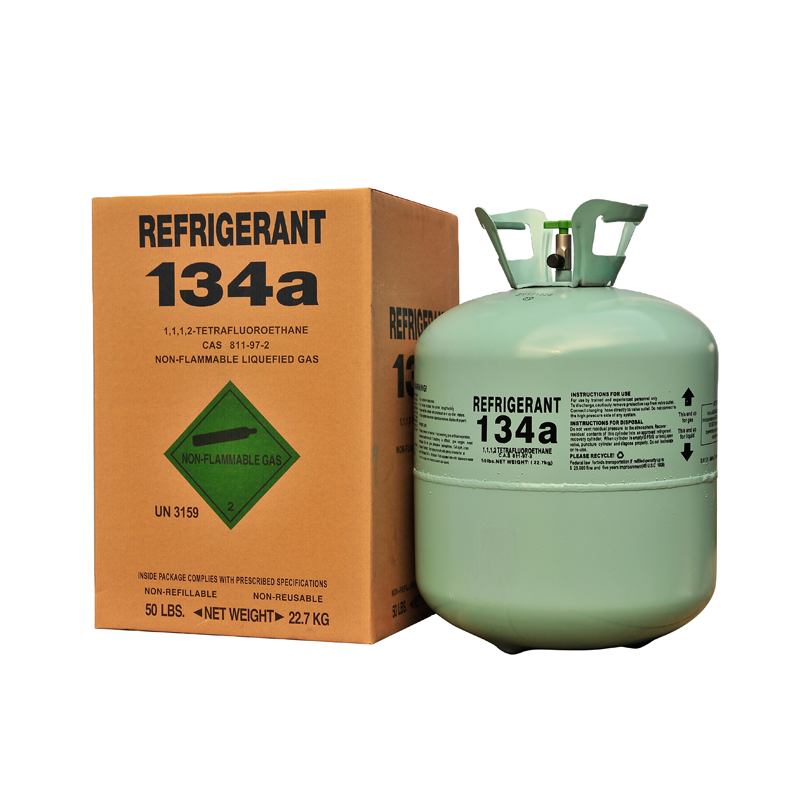
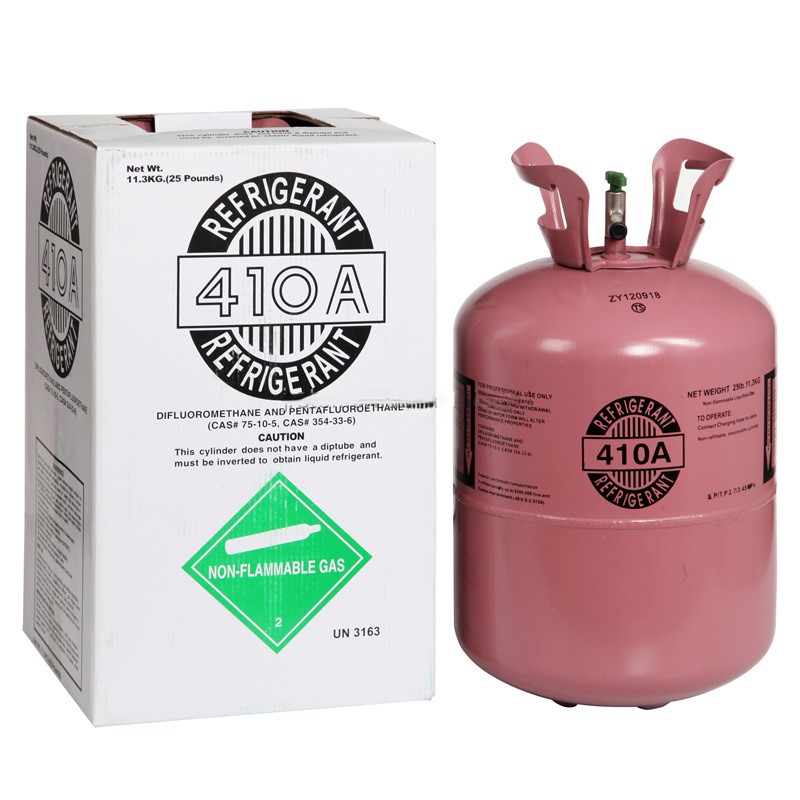
Modern systems predominantly utilize hydrofluorocarbons (HFCs) such as R-134a, R-404A, and R-410A, which have zero ozone depletion potential, although their global warming potential has prompted the development of next-generation solutions. Today, the industry is transitioning toward low-GWP alternatives including hydrofluoroolefins (HFOs) like R-1234yf and R-1234ze, as well as natural refrigerants such as ammonia (R-717), carbon dioxide (R-744), propane (R-290), and isobutane (R-600a), each offering distinct performance characteristics tailored to specific applications. Hydrocarbons like R-290 and R-600a, despite their mild flammability, offer exceptional thermodynamic efficiency and extremely low environmental impact, making them increasingly popular in domestic refrigeration and small commercial systems. Meanwhile, ammonia remains the gold standard for large industrial installations due to its excellent heat transfer properties and zero global warming potential, while CO₂ is gaining ground in automotive air conditioning and supermarket transcritical systems thanks to its non-toxic, non-flammable nature and availability as a natural byproduct of existing industrial processes.
Proper handling, charging, and recovery of refrigerant gas require specialized training, certified equipment, and strict adherence to safety and environmental regulations, as many refrigerants are under high pressure, can cause frostbite upon contact with skin, and may displace oxygen in confined spaces. However, when correctly installed and maintained by qualified professionals, refrigerant gas delivers unmatched cooling performance, energy efficiency, and reliability across the entire spectrum of refrigeration and air conditioning applications. Its ongoing evolution, driven by both environmental stewardship and technological advancement, ensures that cooling systems will continue to become cleaner, more efficient, and more accessible worldwide, supporting everything from everyday food preservation to life-saving medical storage and comfortable built environments in even the hottest climates. Ultimately, refrigerant gas is not merely a chemical substance but the dynamic, essential working fluid that powers the cooling infrastructure of our modern civilization—an invisible but indispensable force that quietly, tirelessly, and efficiently maintains the stable, low-temperature environments upon which health, food security, industry, and comfort so fundamentally depend.
Product Parameter Table
Model |
B.P.(℃) |
Critical Pressure,Mpa |
Purity,% |
Packing |
Application |
R134A |
-26.1 |
4.05 |
≧99.9 |
Can of 220g, 250g, 280, 300g, 340g,500g, 800g, 1000g; disposable cylinder 30lb/13.6kg, 50lb/22.7kg; recyclable cylinder 400L.800L,926L,1000L, ISO-Tank. |
CFC-12 |
R410 |
-51.6 |
4.95 |
≧99.8 |
Can of 600g; Disposable cylinder 25lb/11.3kg; Recyclable cylinder:926L; ISO-TANK |
R22 |
R404A |
-46.5 |
3.74 |
≧99.8 |
Disposable cylinder 24lb/10.9kg; Recyclable cylinder:400L,800L,926L; ISO-TANK |
R502 |
FAQ
1. What types of refrigerant gas do you supply?
We provide full series including R134a, R410A, R32, R600a, R290, CO₂ (R744) and other low-GWP eco-friendly refrigerants for household fridges, air conditioners, cold storage and HVAC systems. All meet Montreal Protocol standards.
2. Can different refrigerants be mixed in one cooling system?
No. Mixing different refrigerant models will cause compressor damage, poor cooling performance and safety risks. Please fully recover residual gas before refilling a new type.
3. Are your refrigerant gases ozone-friendly?
Yes. Our mainstream products have ODP=0 with ultra-low GWP. Obsolete CFC and high-pollution HCFC refrigerants are no longer produced, complying with global ozone protection regulations.
4. Do you support sample orders for testing?
Samples are available. Small cylinders for lab and test use can be arranged. Contact us to confirm sample cost, cylinder size and delivery time.
5. Can I customize cylinder volume, brand logo and packaging?
OEM & ODM services are supported. We offer customizable cylinder weights (3kg, 10kg, 25kg, disposable cans), private label printing and export carton designs.
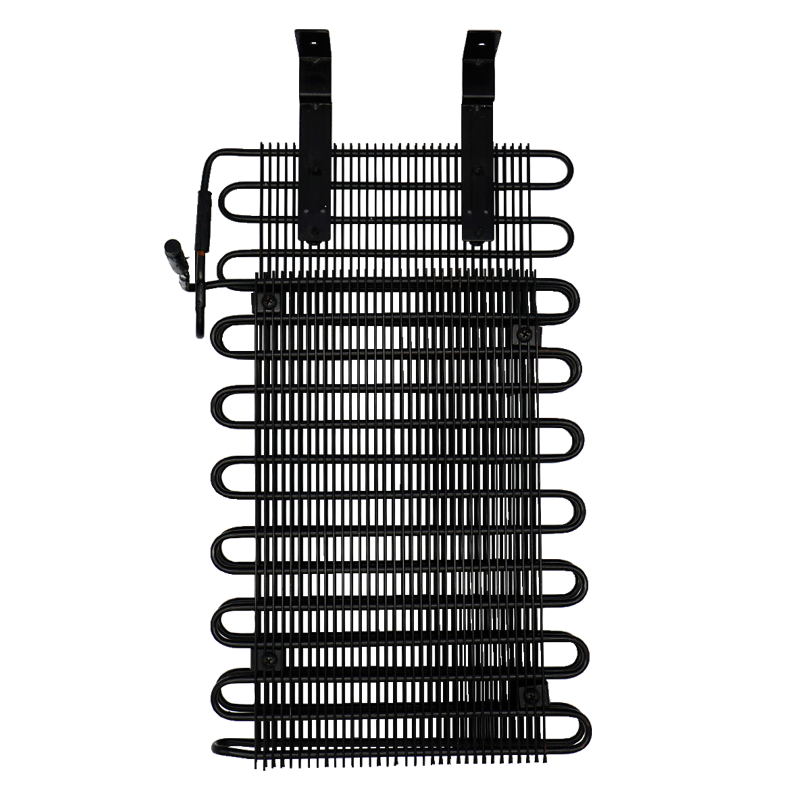
High Efficiency Bundy Wire Tube Condenser for Refrigeration Cooling System
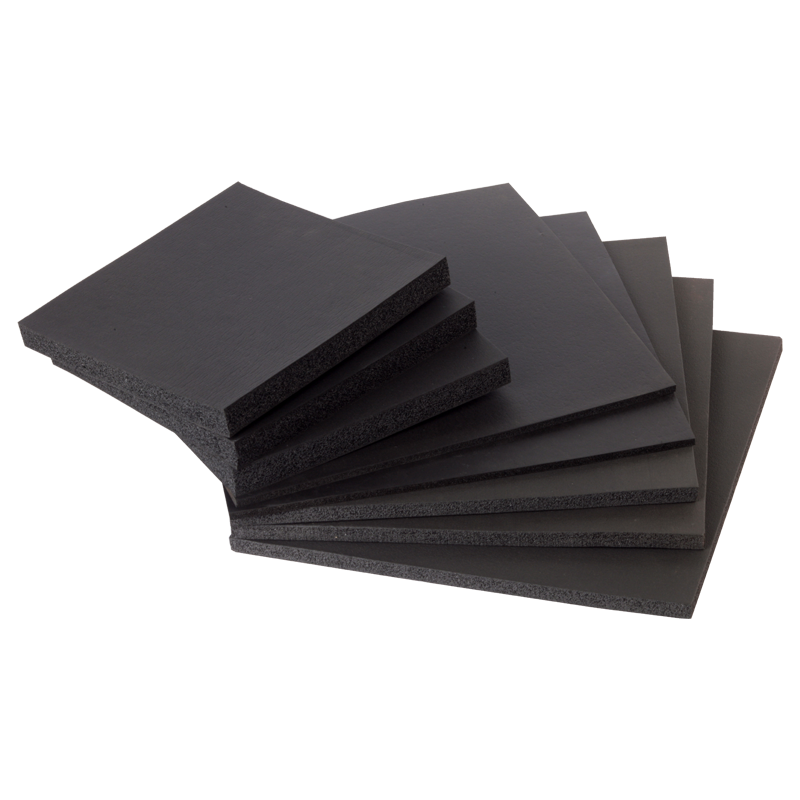
Thermal Insulation Foam Sheet for Refrigerator & Cooling Equipment
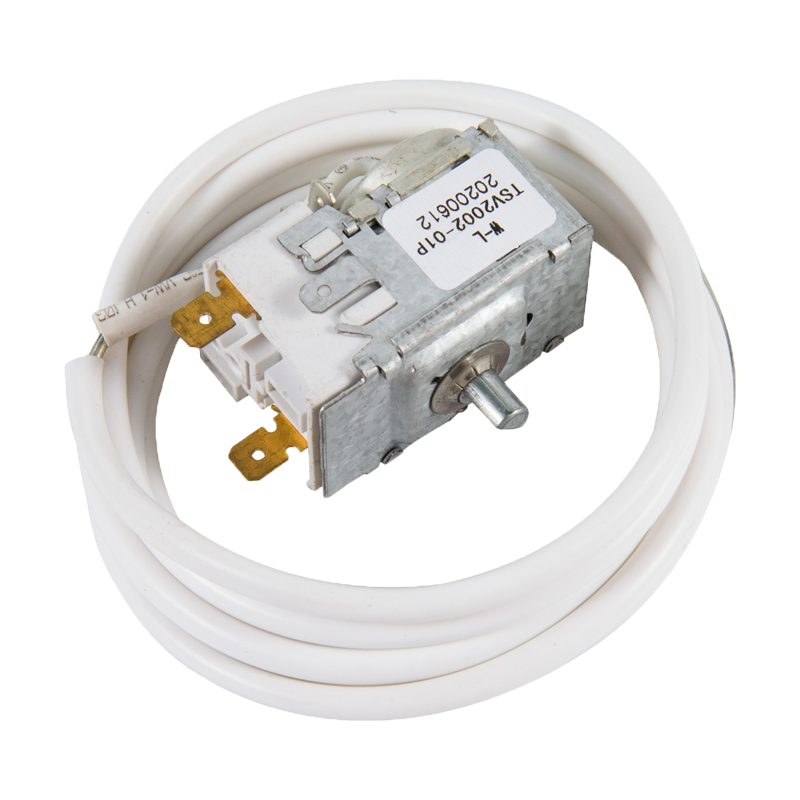
Universal Adjustable Mechanical Thermostat Temperature Controller
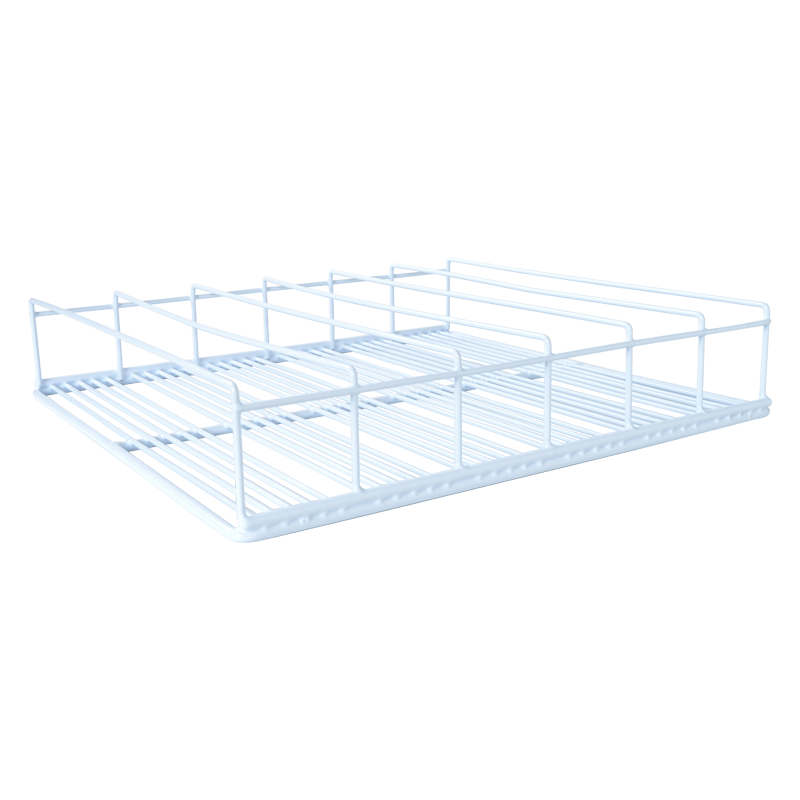
Commercial Manual Stainless Steel Refrigerator Freezer Plastic Coated Wire Mesh Shelf and Durable Basket
 ONLINE

 EN
EN