

Recently, our company hosted an in-house business etiquette training session for staff members, aiming to enhance our team’s cross-border communication capabilities and elevate our professional performance when interacting with domestic and overseas clients. This three-hour interactive training helped every participant rethink what business etiquette truly means, beyond superficial courtesy, and turn good manners into practical tools for building client trust and supporting business growth.
Many team members used to view business etiquette as rigid rules or unnecessary formal gestures. The training started by reshaping this core mindset. Trainers illustrated that etiquette emerges from human cooperation. When people work together, they need observable signals to evaluate each other’s reliability and mutual respect. Business etiquette serves exactly this purpose: it reduces uncertainties in cooperation rather than acting as meaningless constraints.
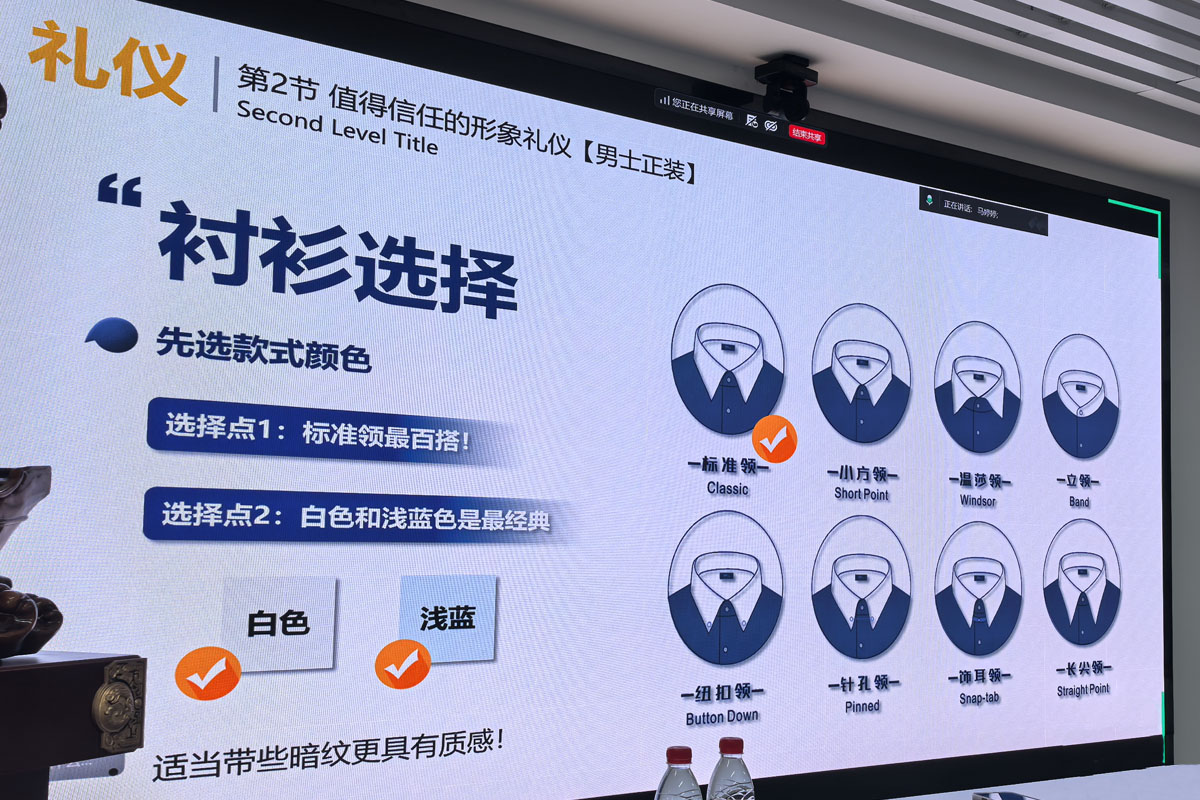
Drawing on psychological and business theories, the session highlighted how powerful first impressions are. The primacy effect shows that counterparts form key judgments about individuals within only seven seconds. Organizational role theory further explains that outfits and behaviour deliver role-related messages to external partners. What employees wear and how they conduct themselves directly shapes how clients perceive our company. From a behavioural-economics perspective, cross-border business transactions are never only about products; trust is also a core commodity exchanged between buyers and sellers. Proper etiquette sends reliable signals of professionalism, while careless small behaviours may plant hidden doubts in clients’ minds.
Moving from mindset to concrete standards, the training outlined non-negotiable cultural etiquette boundaries for major global markets. Our team learned key do-and-not-do points for partners from Europe, America, Japan, South Korea, the Middle East and Southeast Asia. For instance, Middle-Eastern business contacts require modest dress and avoidance of left-hand item transfers; touching heads is considered offensive in Southeast-Asian contexts. Participants were reminded to spend ten minutes researching cultural taboos before meeting international partners, to avoid avoidable missteps that might harm business relationships.
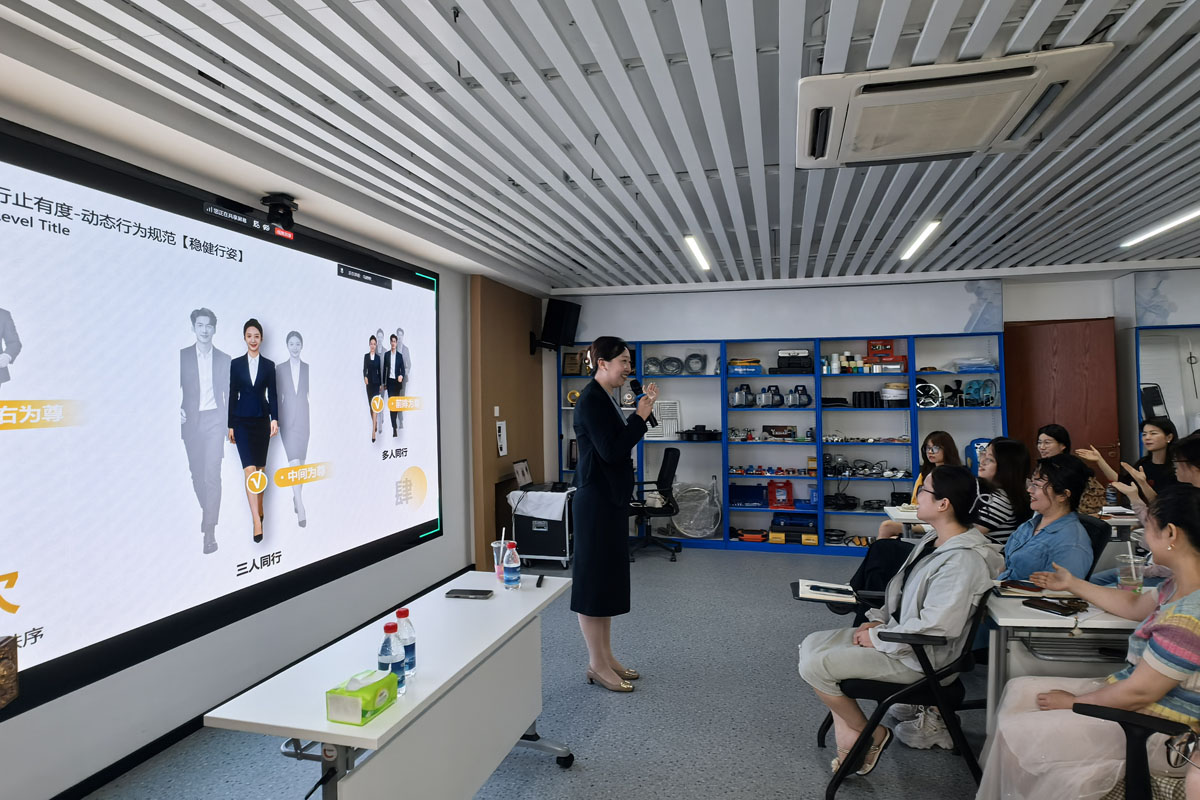
Clear scenario-based dressing standards were also covered. Different working scenarios call for matched dress codes: business-casual wear applies for daily office work and factory tours, while formal business attire is required for receiving visiting clients. When travelling abroad to visit customers, staff are advised to follow local formal standards and maintain appropriate boundaries relative to company leaders. These unified standards help present a consistent corporate image to external partners and cut down repeated internal communication.
The largest part of the training focused on real-world application scenarios. Employees went through standard workflows for client visits, guest reception and factory tours. Practical guidance covered full-process details for business banquets including western-style dining norms, seating arrangements, napkin and cutlery usage, as well as common cultural taboos. A practical checklist for overseas business trips was shared, covering clothing preparation and personal detail management, to help our team stay professional on every overseas mission.
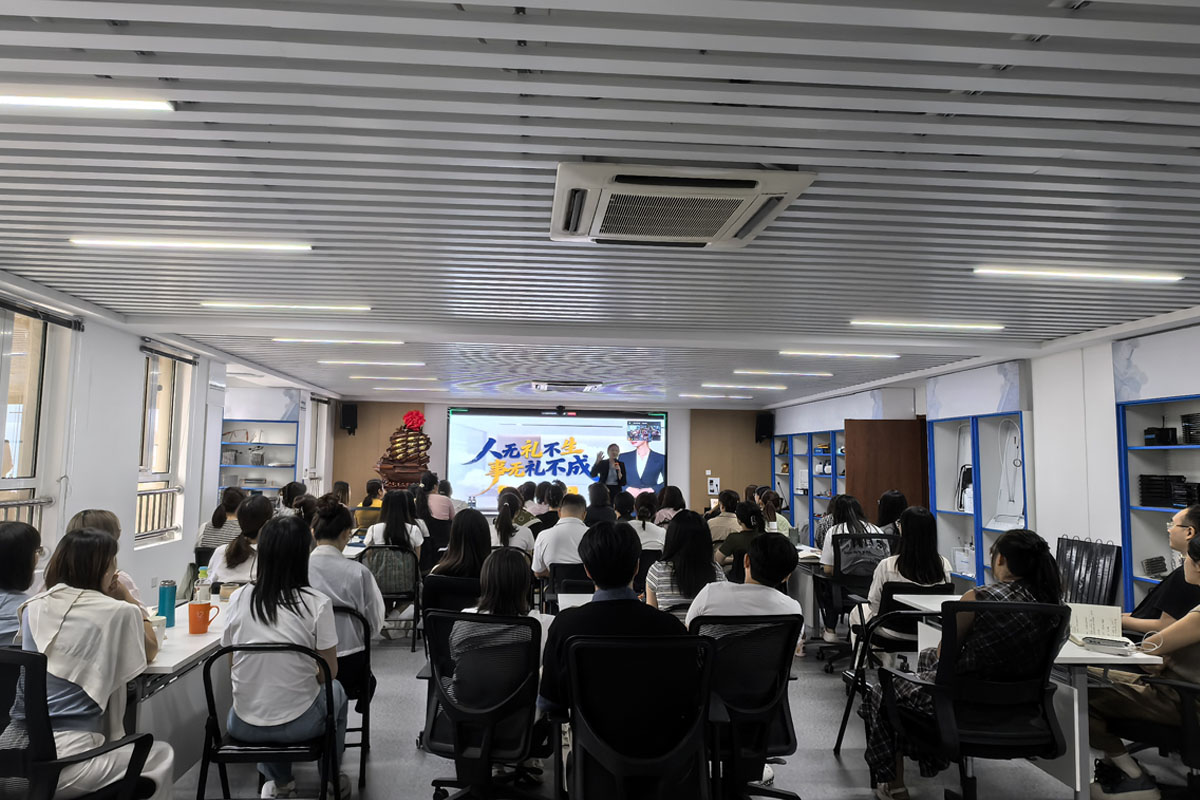
Towards the end of the session, quick knowledge quizzes created an interactive atmosphere for knowledge review. Supporting reference documents were distributed after class, including cross-cultural etiquette quick-reference cards, travel packing checklists and self-evaluation sheets. These materials allow staff members to review key points and self-check before client meetings or overseas trips.
Well-trained soft skills form invisible competitiveness for export-oriented enterprises. This in-house training does not aim to teach empty formalities. It helps our team show genuine respect through words and deeds, lower cross-cultural-communication risks, and lay a more solid trust foundation for future cooperation with global clients.
Hashtags:
#BusinessEtiquette #CorporateTraining #GlobalBusiness #Cross-borderCommunication #TeamDevelopment
 ONLINE

 EN
EN