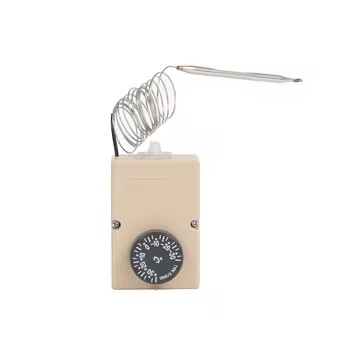
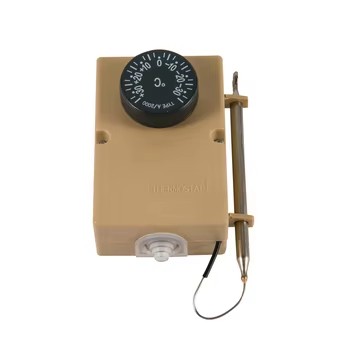
Temperature Controller Unit | High-Precision PID Control & IP65

All Categories
Temperature Controller Unit: Precision, Reliability, and Efficiency for Global Applications

Temperature Controller Unit: Precision, Reliability, and Efficiency for Global Applications

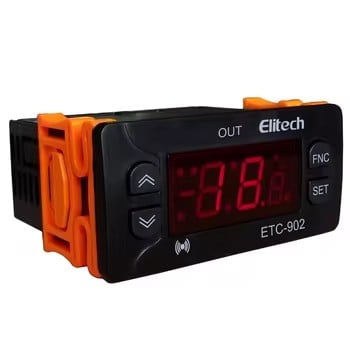
In the realm of modern refrigeration and climate control, the temperature controller unit stands as an indispensable component, ensuring precision, reliability, and efficiency across a wide spectrum of applications. At Suzhou Eletek Inc., we specialize in the research, development, and manufacturing of high-quality temperature controller units that cater to the diverse needs of households, commercial establishments, and industrial settings. Our products are engineered to deliver accurate temperature management, energy optimization, and user-friendly operation, making them the preferred choice for customers worldwide. As a professional manufacturer with decades of experience in household refrigeration appliances, we have honed our expertise to design temperature controller units that integrate seamlessly with refrigerators, freezers, water dispensers, air-conditioners, cold rooms, and washing machines.
Get A Quote

Advantages of the product

Precision and Accuracy

Our temperature controller units are engineered with cutting-edge sensor technology and advanced microprocessor algorithms, guaranteeing precise temperature control with minimal deviation. This accuracy is crucial for applications such as food preservation, pharmaceutical storage, and laboratory environments where even minor fluctuations can have significant consequences. We employ high-resolution sensors calibrated to ±0.1°C, ensuring that your refrigeration systems maintain the exact setpoint consistently. The controllers utilize PID (Proportional-Integral-Derivative) control logic, which dynamically adjusts cooling or heating outputs to minimize overshoot and undershoot, achieving rapid response and stable performance. This level of precision not only protects your perishable goods but also enhances energy efficiency by reducing compressor cycling and unnecessary power consumption. Moreover, our digital displays provide real-time temperature readings, allowing for easy monitoring an

Durability and Longevity

The durability of our temperature controller units is a testament to our commitment to quality and long-term reliability. We source high-grade materials, including corrosion-resistant enclosures, robust PCB boards, and high-quality components, to ensure that our controllers withstand harsh environments and continuous operation. Each unit undergoes rigorous testing, including thermal cycling, humidity exposure, and vibration tests, to simulate years of use. Our controllers are designed to operate across a wide temperature range, from -40°C to +85°C, making them suitable for both indoor and outdoor installations. We also incorporate surge protection and EMC filtering to safeguard against electrical disturbances, reducing the risk of malfunction. The lifespan of our temperature controller units exceeds industry standards, with many products lasting over 10 years under normal use. This longevity translates into reduced replacement costs and minimized downtime for your business. Additionall

User-Friendly Interface and Easy Installation

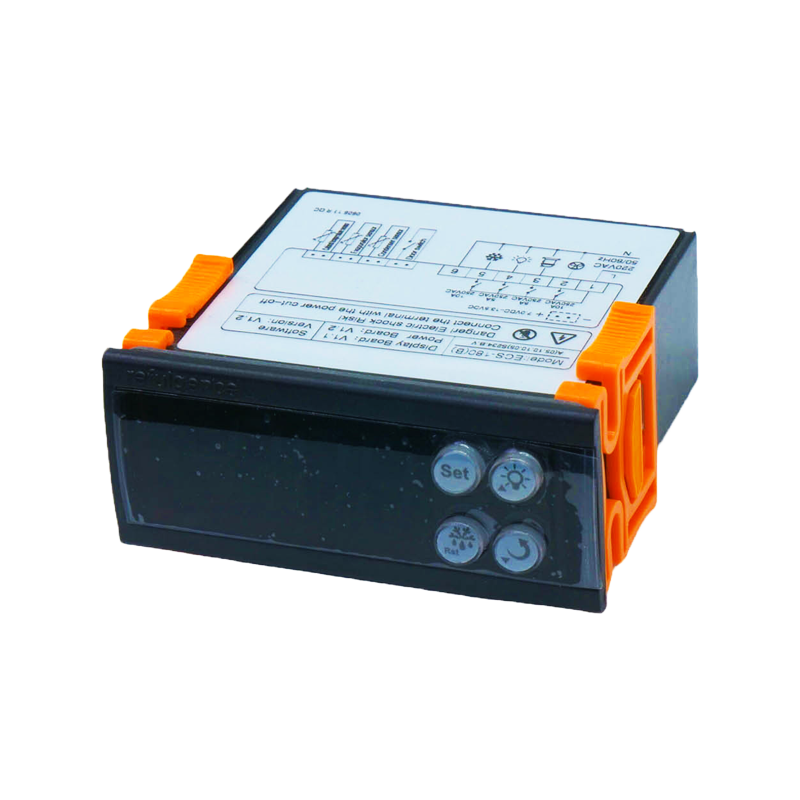
We understand that ease of use is paramount for our customers, which is why our temperature controller units feature intuitive interfaces and straightforward installation processes. The controllers come with large, backlit LCD or LED displays that clearly show temperature, status indicators, and menu options. Navigation buttons are ergonomically designed, allowing users to set parameters, adjust setpoints, and access advanced settings with minimal effort. In many models, we offer touchscreen controls and Wi-Fi connectivity, enabling remote monitoring and control via smartphone apps—perfect for modern smart homes and businesses. Installation is hassle-free, with clear wiring diagrams and mounting instructions included. The compact and standardized design ensures compatibility with a wide range of refrigeration systems. We offer both surface-mount and panel-mount options, and the terminals are clearly labeled, reducing the chance of miswiring. Additionally, our temperature controller uni

Related products

**The Role of Temperature Controller Units in Modern Refrigeration Systems** Temperature controller units are the brains of any refrigeration system, orchestrating the delicate balance between cooling demands, energy consumption, and food preservation. In modern refrigerators and freezers, these controllers ensure that the internal environment remains within narrowly defined parameters, regardless of external conditions or usage patterns. A high-quality temperature controller unit, like those manufactured by Suzhou Eletek Inc., not only maintains consistent temperatures but also contributes to extended equipment lifespan and reduced electricity bills. In the global market, the demand for energy-efficient and precise temperature control has surged, driven by environmental concerns and regulatory standards. Our controllers incorporate advanced features such as adaptive defrost cycles, compressor delay protection, and intelligent algorithms that optimize performance. For instance, adaptive defrost schedules minimize frost buildup without unnecessary heating, saving energy. Compressor delay protection prevents short cycling, which can wear out the compressor and increase energy consumption. Moreover, our controllers offer configurable parameters, allowing users to tailor the unit to specific applications, whether it’s a wine cellar requiring precise humidity control or a medical refrigerator demanding strict temperature ranges. The evolution of temperature controller units has seen a shift from mechanical thermostats to digital controllers with microprocessors, enabling greater precision, reliability, and user control. Digital controllers provide accurate readings, programmable settings, and diagnostic capabilities, which are essential for maintaining product quality and safety. At Eletek, we embrace this evolution, continuously improving our products to meet the changing needs of our diverse clientele. Our temperature controller units are the result of extensive research and development, integrating cutting-edge technology with practical usability. By choosing our products, businesses can achieve optimal refrigeration performance, reduce waste, enhance productivity, and ensure compliance with industry standards. Trust Eletek for reliable, efficient, and advanced temperature control solutions.

Frequently Questions

What is a temperature controller unit and how does it work?

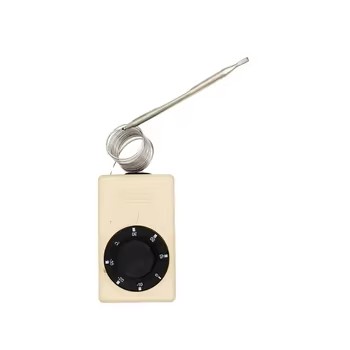
A temperature controller unit is an electronic device that regulates the temperature of a system by comparing the actual temperature (measured by a sensor) with a setpoint and then activating or deactivating cooling or heating devices to maintain the desired temperature. In refrigeration systems, the controller senses the internal temperature using a thermistor or thermocouple. When the temperature rises above the setpoint (plus a differential), the controller sends a signal to the compressor to start cooling. Once the temperature reaches the setpoint minus the differential, the controller switches off the compressor. This ON/OFF cycling maintains the temperature within a certain range. More advanced controllers use PID algorithms to modulate the output, providing smoother control and higher accuracy. The controller also includes protection features like compressor delay to prevent short cycling, alarm outputs for abnormal conditions, and defrost control for evaporator frost prevention
When selecting a temperature controller unit for your application, several critical factors must be considered to ensure optimal performance. First, the operating temperature range: the controller and its sensor must be capable of measuring and controlling the minimum and maximum temperatures of your system. For instance, a freezer may require -30°C to 10°C, while a refrigerator may need 0-10°C. Second, the type of sensor: common types include NTC thermistors (negative temperature coefficient), PTC thermistors, PT100 RTDs, and thermocouples. Each has different accuracy, response time, and cost. You must ensure compatibility with the controller. Third, the control accuracy: if your application demands tight temperature stability (e.g., ±0.1°C), you need a controller with high-resolution sensor input and advanced control algorithms. Fourth, the output type: the controller should have relays or solid-state outputs rated for the voltage and current of your compressor or heating device. Fif
Installing a temperature controller unit in a refrigerator is a straightforward process, but it requires careful handling of electrical components. First, disconnect the refrigerator from the power supply. Locate the existing controller (often a simple thermostat) and remove it. Note the wiring: typically, there is a power input (L/N), a sensor connection, and an output to the compressor. Depending on the controller model, the wiring may vary. Refer to the installation manual and wiring diagram provided with your controller. For most digital controllers, you will need to connect the power supply to the controller’s terminals, connect the temperature sensor (e.g., NTC) to the sensor terminals, and connect the compressor (and sometimes the defrost heater) to the relay output terminals. Ensure all connections are secure and insulated. Mount the controller in a suitable location, either on the exterior or inside the refrigerator (if splashproof and rated for low temperatures). After wiring
Ensuring the accuracy of a temperature controller unit involves several steps: proper sensor placement, regular calibration, and using high-quality components. First, place the temperature sensor in a location that accurately represents the average temperature of the refrigerated space, away from cold air blasts, walls, or door gaskets. Ideally, it should be in the air return path or central area. Second, periodically verify the temperature with a calibrated external thermometer or data logger. If there is a discrepancy between the displayed temperature and the true temperature, you may need to calibrate the sensor offset. Many digital controllers allow you to adjust a temperature offset to compensate for sensor variations. Third, ensure that the sensor is in good condition and correctly connected. Over time, sensors can drift or become damaged, so regular checks are recommended. Fourth, maintain the refrigerator’s seals and ensure that the door is not opened frequently, as this can ca
Digital temperature controller units offer numerous advantages over traditional mechanical thermostats. First, precision: digital controllers provide accurate temperature sensing and control, often with ±0.5°C accuracy, while mechanical thermostats typically have a larger differential (e.g., ±2°C). This leads to more stable temperatures, better food preservation, and reduced energy consumption. Second, programmability: digital controllers allow you to set custom parameters, such as defrost intervals, temperature alarms, and compressor delay times, which are not possible with mechanical thermostats. This flexibility enables optimization for specific applications. Third, user interface: digital controllers feature displays that show the current temperature and status, making it easy to monitor and adjust settings. Mechanical thermostats offer limited visibility and less intuitive controls. Fourth, diagnostics: digital controllers can detect sensor failures and compressor issues, displayi

Related article

How Condenser Efficiency Impacts HVAC System Performance

05

Aug

How Condenser Efficiency Impacts HVAC System Performance

The Vital Role of Heat Rejection in Modern Cooling In the complex ecosystem of heating, ventilation, and air conditioning (HVAC) systems, attention often gravitates toward the cooling coils inside a building or the heavy-duty compressor running in th...
View More
Proper Orientation for Filter Drier Installation

13

Aug

Proper Orientation for Filter Drier Installation

The Hidden Vulnerabilities in Closed-Loop Refrigeration When maintaining complex heating, ventilation, and air conditioning systems, attention is frequently drawn toward high-profile components like compressors or expansion valves. Yet, the overall h...
View More
What Is an Access Valve Core and Why It Matters

17

Aug

What Is an Access Valve Core and Why It Matters

The Unseen Control Points in Refrigeration Networks When inspecting complex heating, ventilation, and air conditioning systems, attention is frequently drawn toward heavy compressors, massive condensers, or sophisticated control boards. Yet, the abil...
View More

Customer Testimonials

Kermit Velez
Superb Temperature Controller Unit for Our Cold Room

We run a fresh produce distribution business, and maintaining the right temperature in our cold room is critical. We installed the Eletek TC-1000 controller last year, and it has been flawless. The precision is outstanding; the temperature stays within ±0.3°C of the setpoint, which is exactly what we need for our fruits and vegetables. The installation was straightforward, and the interface is intuitive. Our staff quickly learned how to adjust settings. The controller has performed reliably even in the humid and cold environment, and we haven’t had any issues. The Wi-Fi feature is a bonus—we can monitor the temperature remotely from our office, which gives us peace of mind. The after-sales support from Eletek was also very responsive when we had a query. I highly recommend this temperature controller unit to anyone looking for accuracy and dependability.

Ingrid Müller
Excellent Quality and Value for Our Refrigerators

As a manufacturer of commercial refrigerators, we integrate temperature controller units into our products. We switched to Eletek’s TC series because of their excellent quality and competitive pricing. The controllers are reliable, and the digital interface adds a premium feel. Our customers appreciate the easy temperature adjustment and clear display. The compressor delay protection feature helped reduce service calls related to compressor failures. The controllers are also EMC compliant, which simplified our certification process. We have used them in hundreds of units without a single failure. The support team at Eletek is professional and helpful, providing technical documentation and quick responses to our inquiries. Their controllers have helped us improve the overall quality of our refrigerators. I definitely recommend their temperature controller units for any OEM application.

Get a Free Quote

Our representative will contact you soon.
Email
Mobile/WhatsApp
Name
Company Name
Message
0/1000
Advanced PID Control Algorithm

Advanced PID Control Algorithm

The Eletek temperature controller units employ an advanced PID (Proportional-Integral-Derivative) control algorithm, a technology that significantly enhances temperature stability and energy efficiency. Unlike simple ON/OFF controllers, PID control continuously calculates the error between the setpoint and the actual temperature and adjusts the output accordingly. The proportional term (P) responds to the size of the error, the integral term (I) eliminates residual steady-state error by accumulating past errors, and the derivative term (D) anticipates future errors based on the rate of change. This results in minimal temperature fluctuation, often within ±0.1°C, and reduces overshoot and undershoot during startup or disturbances. The PID algorithm also reduces compressor cycling, which not only saves energy but also extends the compressor’s lifespan by minimizing wear and tear.
Robust Build Quality and IP65 Protection

Robust Build Quality and IP65 Protection

Our temperature controller units are designed to withstand demanding environments, thanks to robust construction and high ingress protection ratings. The enclosures are made from flame-retardant ABS plastic, resistant to impact and corrosion. Many models come with an IP65 rating, meaning they are completely protected against dust ingress and low-pressure water jets, making them suitable for use in humid areas, wash-down environments, and even outdoors. The front panel has a sealed membrane keypad that prevents moisture and contaminants from entering. Inside, the PCB is conformally coated to protect against condensation and chemical corrosion, ensuring long-term reliability. The terminals are reinforced and accept wiring up to 10 AWG, providing secure connections.
onlineONLINE
email goToTop