

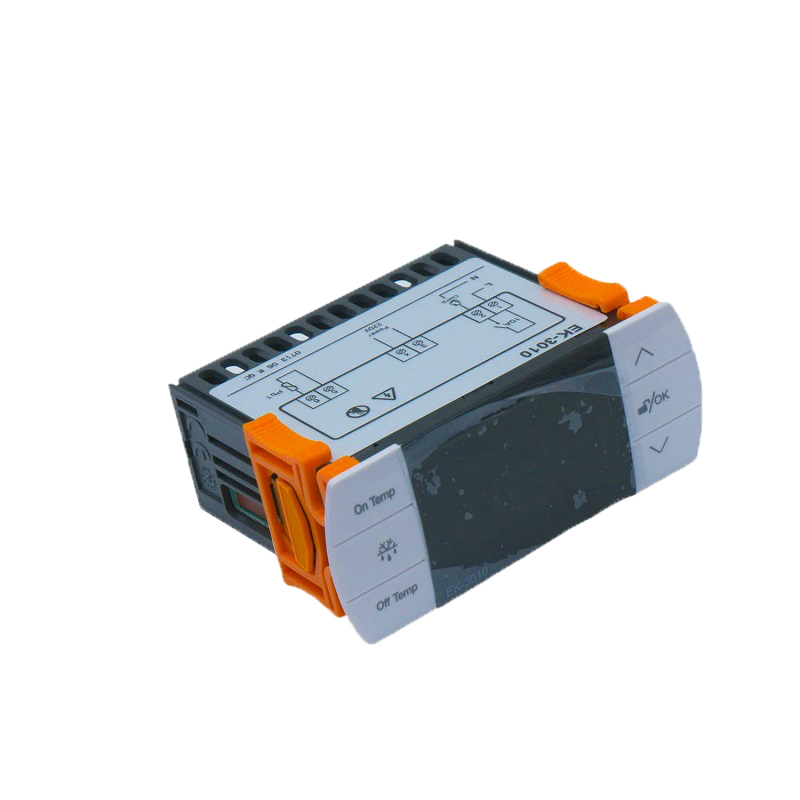
Precise temperature control, stable performance, long service life
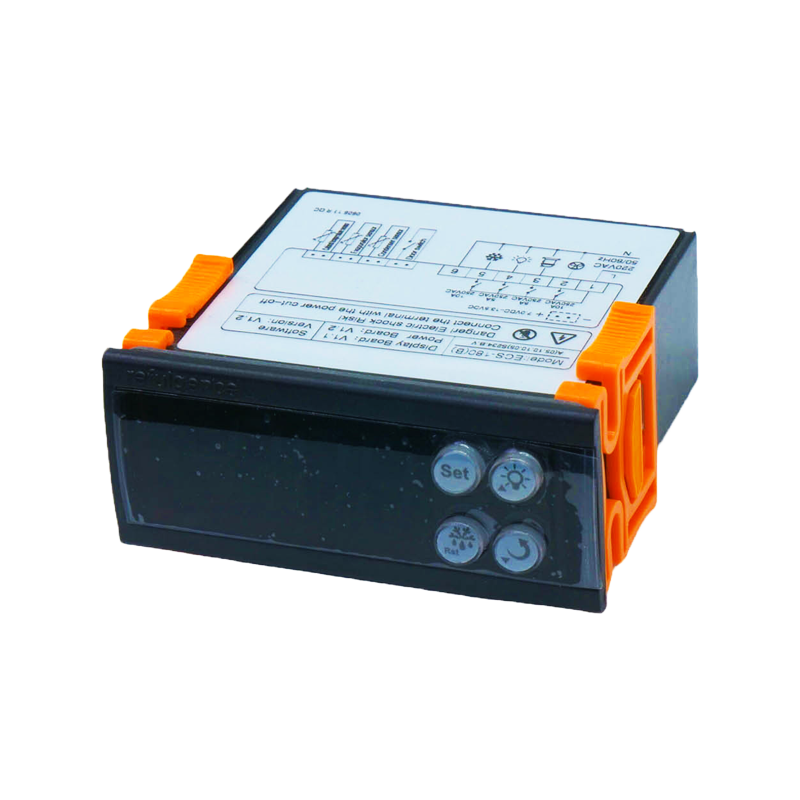
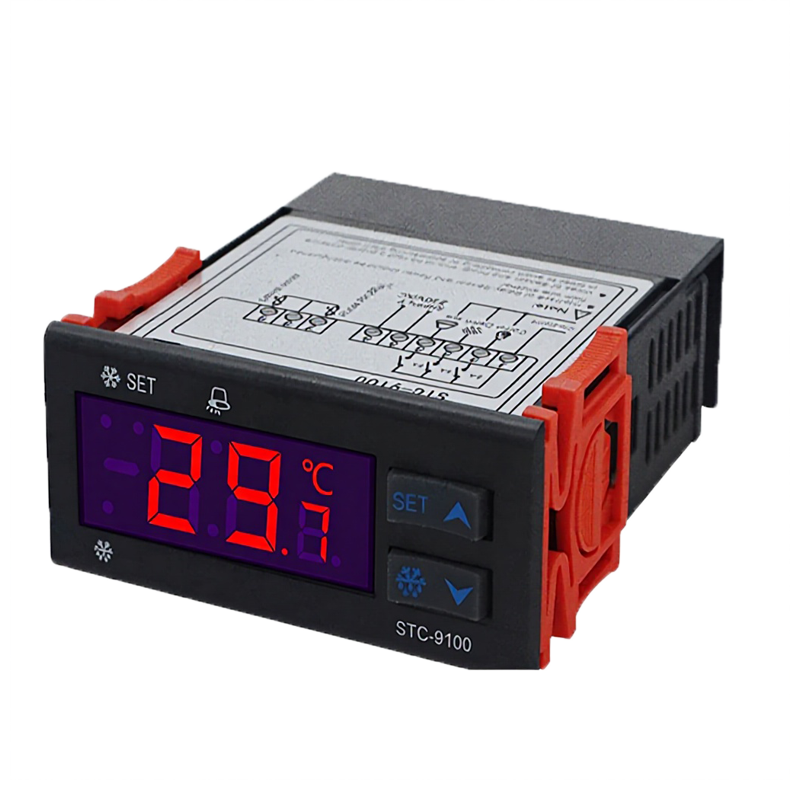
High precision digital thermostat for refrigerators, freezers and HVAC cooling systems. LED real-time temperature display, stable automatic temperature regulation, simple wiring and wide compatibility. CE certified, support OEM sample orders for commercial and household refrigeration equipment.
In today’s world, where temperature sensitivity affects everything from food preservation to industrial manufacturing, the digital temperature controller has emerged as an indispensable tool. As an advanced electronic device, its primary function is to monitor and regulate temperature with a level of accuracy that traditional mechanical systems simply cannot match. Unlike older dial-based or bimetallic strip thermostats, which often suffer from drift, hysteresis, and slow response times, the digital temperature controller leverages modern microprocessors and solid-state sensors to deliver real-time, error-minimized readings. This fundamental shift from analog to digital not only enhances performance but also opens the door to smarter, more energy-efficient operations across countless applications.
At the heart of every digital temperature controller lies its user interface, typically dominated by a clear, high-contrast digital display. This display serves as the operator’s window into the thermal environment, showing current temperature readings in degrees Celsius or Fahrenheit, often with a resolution of 0.1°C or better. The visual clarity is a significant improvement over ambiguous pointer scales, eliminating guesswork and reducing the risk of misinterpretation. Alongside the display, intuitive control buttons or touch panels allow users to set desired target temperatures with ease. Many models also include additional parameters such as differential values, alarm thresholds, and calibration offsets, all adjustable through simple menu-driven navigation. This combination of visibility and accessibility means that even non-technical personnel can operate the device confidently after minimal training, making it a practical choice for both home users and factory floor workers.
The core operational principle of a digital temperature controller is a closed-loop feedback system, often referred to as PID (Proportional-Integral-Derivative) control or simple on/off hysteresis control. The device continuously compares the measured temperature against the user-defined setpoint. When a deviation is detected, it instantly sends control signals—typically relay closures, voltage outputs, or serial communications—to connected heating elements (such as electric heaters or gas burners) or cooling equipment (like compressors, solenoid valves, or fans). This automatic response happens within milliseconds, ensuring that the controlled environment remains stable despite external disturbances like open doors, fluctuating ambient conditions, or varying thermal loads. In more sophisticated models, adaptive algorithms learn the system’s thermal characteristics over time, adjusting their output strategies to minimize overshoot and oscillations. The result is a consistent, unwavering temperature that protects sensitive materials, enhances product quality, and reduces energy waste caused by unnecessary cycling.
One of the most celebrated advantages of digital temperature controllers is their superior precision and stability. Traditional mechanical controllers often exhibit a dead band—a range where no control action occurs—sometimes spanning several degrees. Digital units, on the other hand, can achieve accuracy within ±0.5°C or even ±0.1°C under optimal conditions. This level of exactness is critical in applications where even minor temperature fluctuations can lead to spoilage, chemical degradation, or mechanical failure. For instance, in pharmaceutical storage, vaccines must be kept within a narrow range; in semiconductor fabrication, photoresist development requires ultra-stable thermal conditions; and in food service, holding cabinets must maintain precise temperatures to prevent bacterial growth while preserving texture and flavor. The digital controller’s ability to maintain such tight tolerances directly translates to higher yield, less waste, and better compliance with regulatory standards.
Another hallmark of these devices is their simple operation, which belies the complex technology inside. Most digital temperature controllers come pre-programmed with factory defaults suitable for common applications, allowing users to plug and play right out of the box. For those who wish to fine-tune performance, advanced settings are hidden behind password-protected menus, ensuring that casual operators do not inadvertently alter critical parameters. Additionally, many modern controllers feature self-diagnostic routines that continuously check the sensor, power supply, and output circuitry. If a fault is detected—such as a broken thermocouple, a short-circuited heater, or an over-temperature condition—the unit triggers audible or visual alarms and may even shut down the system safely. This built-in intelligence reduces downtime, simplifies troubleshooting, and protects expensive equipment from catastrophic damage.
The reliable performance of digital temperature controllers is not just a matter of circuitry; it is also a result of robust mechanical design. Industrial-grade models are housed in flame-retardant, impact-resistant enclosures with ratings like NEMA 4X or IP65, guarding against dust, moisture, and vibration. The internal components are selected for extended life cycles, with solid-state relays rated for hundreds of thousands of operations and electrolytic capacitors chosen for high-temperature endurance. Furthermore, many controllers offer universal power inputs (e.g., 100–240V AC, 50/60Hz) and multiple sensor compatibility (thermocouple types K, J, T; RTDs like PT100; thermistors), making them adaptable to a wide variety of systems without requiring specialized variants. This durability ensures that once installed, a digital temperature controller can operate faithfully for years, even in harsh environments like foundries, cold storage warehouses, or outdoor HVAC units.
The application scope of digital temperature controllers is truly vast. In household appliances, they are the brains behind modern refrigerators and freezers, ensuring that your groceries stay fresh while minimizing energy consumption. They also govern air conditioning systems, maintaining comfortable room temperatures while allowing for scheduling and eco modes. In commercial settings, they are essential for walk-in coolers, reach-in display cases, and ice machines, where consistent temperature directly impacts inventory turnover and customer satisfaction. Moving to heavy industry, these controllers are integrated into plastic injection molding machines, where barrel temperature affects melt viscosity; into packaging sealers, where heat bars must be exact; into laboratory incubators, where biological cultures demand unwavering warmth; and into large-scale chemical reactors, where exothermic reactions require careful thermal balancing. Even in renewable energy systems, such as solar thermal collectors and heat pumps, digital controllers optimize heat transfer and protect against frost or overheating.
Compared to their mechanical predecessors, digital temperature controllers offer a paradigm shift in manageability. Mechanical units often relied on capillary tubes, bellows, and contact points, all subject to wear, corrosion, and mechanical fatigue. Calibration was a tedious manual process involving screwdrivers and reference thermometers, and the calibration would drift over time. Digital controllers, however, feature push-button calibration or even automatic sensor offset correction, reducing maintenance overhead significantly. Many also include data logging capabilities—either through built-in memory or via external communication ports like RS485, Modbus, or Wi-Fi—allowing users to track temperature trends, generate compliance reports, and integrate with building management systems or industrial IoT platforms. This connectivity transforms a simple thermostat into a smart node in a larger automation network, enabling predictive maintenance, remote monitoring, and centralized control from a smartphone or control room.
In summary, the digital temperature controller is far more than an upgraded thermostat; it is a precision instrument that combines accurate sensing, intelligent decision-making, robust construction, and user-friendly design. Its ability to maintain constant temperatures with minimal deviation, coupled with straightforward operation and long-term reliability, makes it a cornerstone of modern thermal management. Whether safeguarding a household fridge, optimizing a commercial HVAC system, or controlling a complex industrial process, this device delivers consistent, measurable value. As technology continues to advance—with features like fuzzy logic, adaptive tuning, and wireless connectivity becoming more common—the digital temperature controller will only grow in capability and importance, cementing its role as an essential component in our daily lives and industrial infrastructure alike. Its widespread adoption reflects a global commitment to efficiency, quality, and safety, proving that sometimes, the most impactful innovations are those that quietly, reliably, and precisely keep things at just the right temperature.
Product Parameter Table
Model |
Main Features |
Output |
Input |
ETC-200 |
220V + 10% 50/60HZ -40~+120℃ cooling/heating |
10A based on the time Voice |
1NTC |
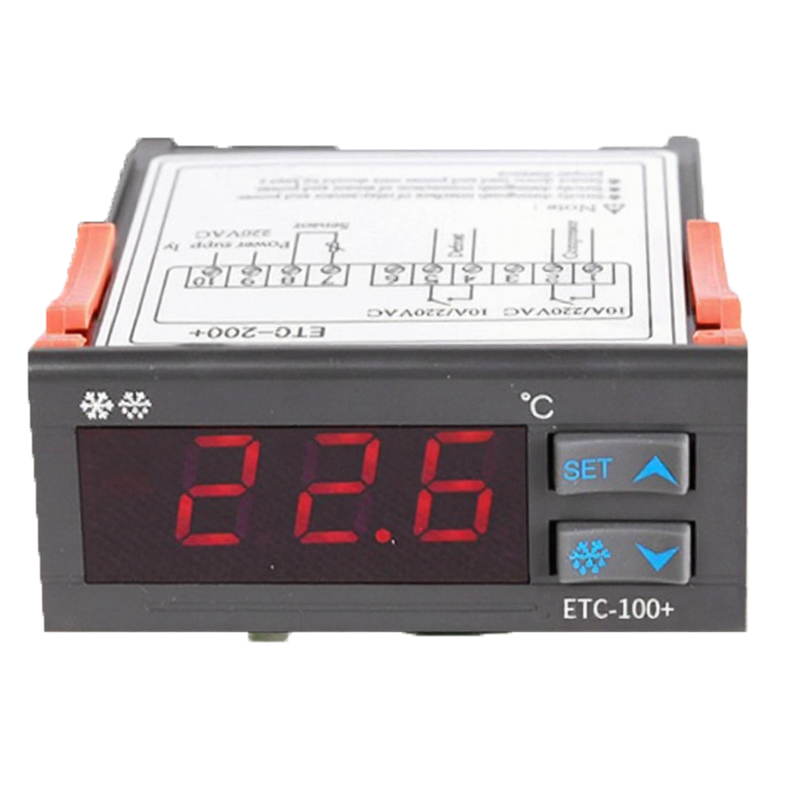
ETC-100+ |
220V + 10% 50/60HZ -40~+120℃ cooling |
10A(20A optional) Voice |
1NTC |
ETC-902 |
220V + 10% 50/60HZ -40~+70℃ cooling |
8A Voice |
1NTC |
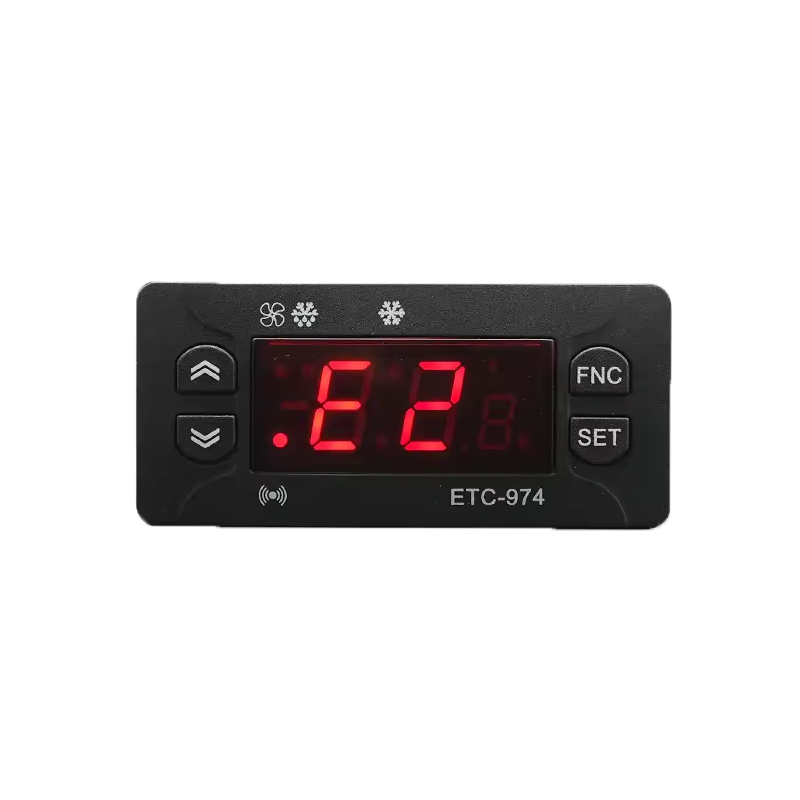
ETC-974 |
220V + 10% 50/60HZ -50~+50℃ cooling |
8A Voice |
2NTC |
FAQ
1.Is this thermostat fit for ordinary home refrigerators?
Yes, it is compatible with most household fridges, freezers and small cold storage units.
2.Can I order samples to test the quality?
Samples are available for quality inspection before bulk orders.
3.Do you provide OEM & ODM customization service?
We support custom temperature range, brand logo and product packaging.
4.What is your production lead time?
Samples take 3–7 working days; mass orders take 15–25 working days.
5.What payment terms do you accept?
We support T/T, Trade Assurance, PayPal and L/C.
6.Will you offer English installation guides?
Every thermostat package includes an English wiring instruction manual.
Digital Thermostat Temperature Controller with LED Display for Refrigerator Freezer HVAC Cooling System
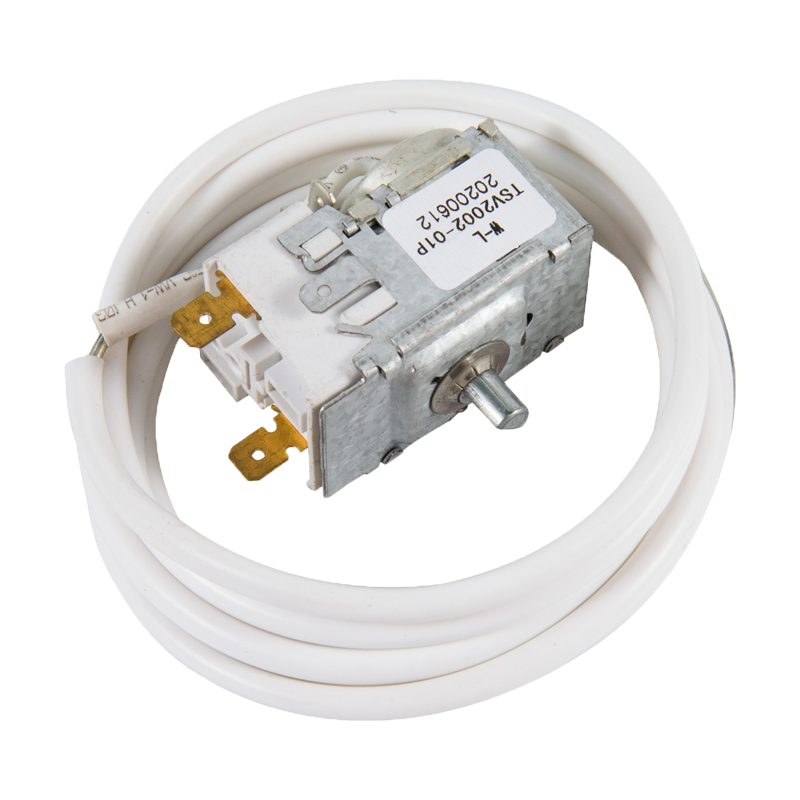
Universal Adjustable Mechanical Thermostat Temperature Controller
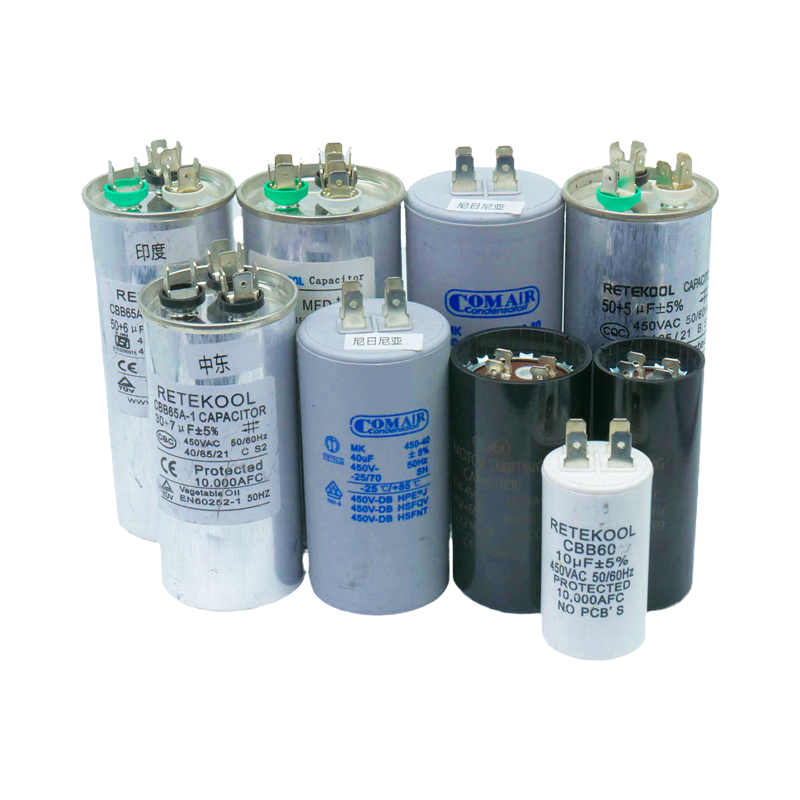
CBB65 Refrigeration Capacitor 450V AC 50/60Hz Waterproof Motor Run Capacitor for Refrigerator Freezer Air Conditioner Compressor
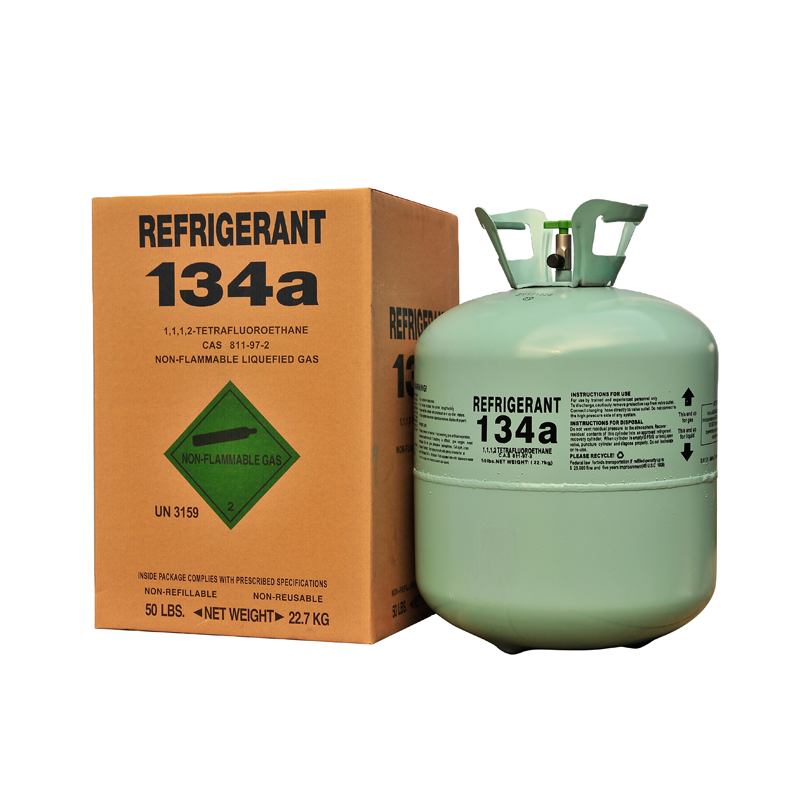
R410 R134a R404a Refrigerant Gas for HVAC air Conditioner system
 ONLINE

 EN
EN