
 EN
EN
The Vital Role of Proper Insulation for Thermal Performance
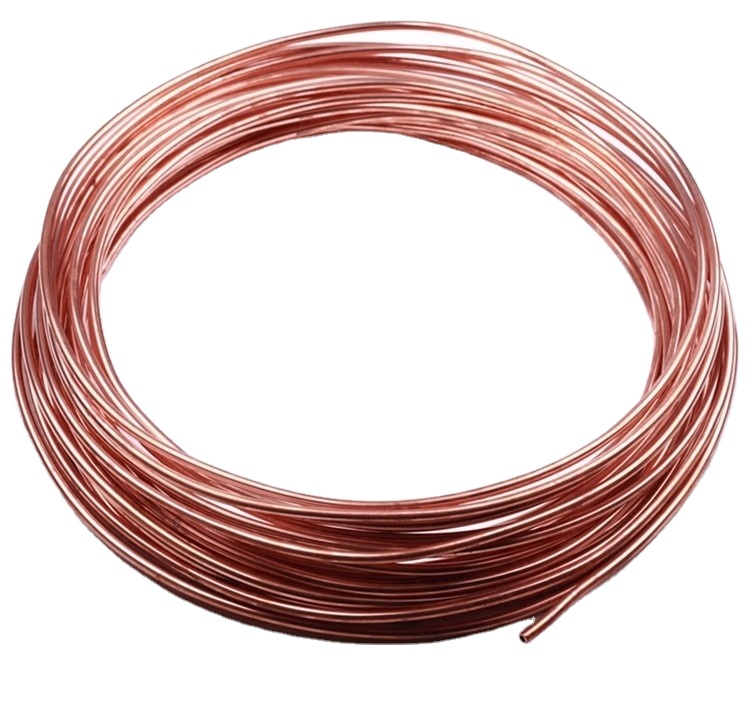
Achieving peak efficiency in HVAC and refrigeration systems often relies on the smallest details, where the copper connecting tube plays a fundamental role. These tubes serve as the arteries of cooling systems, transporting refrigerant across various temperature zones with precision. Without adequate insulation, the thermal energy exchange becomes compromised, leading to significant drops in overall system performance. Whether in high-rise commercial buildings or industrial cooling facilities, failing to properly insulate a copper connecting tube is a common oversight that results in wasted energy and increased mechanical load on the entire cooling unit. Professionals understand that insulation is not merely a protection against physical damage; it is a critical thermal barrier that ensures the refrigerant maintains its required state from the evaporator to the compressor. By prioritizing these insulation requirements, technicians can drastically improve the longevity and stability of the entire cooling network, reducing unnecessary wear and tear.
Thermodynamics and Energy Efficiency in Cooling Circuits
At the heart of the refrigeration cycle is the management of heat. When a copper connecting tube carries cold refrigerant, it naturally seeks to absorb heat from the surrounding environment. If the insulation is insufficient or poorly applied, the thermal gain through the tube walls can be substantial, especially in hot environments. This gain forces the compressor to work much harder to achieve the desired cooling outcome, ultimately driving up electricity consumption. A copper connecting tube that lacks proper thermal shielding will inevitably experience a decrease in efficiency, particularly in environments with high ambient temperatures or poor airflow. Data from energy audits frequently show that properly insulated lines reduce operational power draw by significant margins. For operators looking to reduce the total cost of ownership, maintaining the integrity of the insulation on a copper connecting tube is one of the most effective strategies available to stabilize energy costs and prevent premature component failure due to excess heat.
Preventing Condensation and Moisture Damage
Condensation management is another critical aspect of insulating a copper connecting tube, especially in humid climates where moisture is always present. When the surface temperature of a tube drops below the dew point of the surrounding air, moisture will inevitably collect on the surface. This condensation can drip onto ceiling tiles, electrical components, or building foundations, causing localized water damage or long-term structural degradation that is expensive to fix. A properly insulated copper connecting tube prevents the pipe surface from reaching the dew point, thereby eliminating the potential for moisture buildup. Furthermore, moisture accumulation can lead to oxidation on the external surface of the metal, potentially weakening the structure of the copper connecting tube over years of service. By treating the insulation as a critical defense layer, facilities protect their interior assets from the destructive effects of persistent dampness and hidden corrosion, which is essential for safe building maintenance.
Best Practices for Material Selection and Installation
Selecting the right insulation material is just as important as the decision to insulate itself. Various materials, such as closed-cell elastomeric foam or high-density fiberglass, offer different levels of thermal resistance and durability. For a copper connecting tube, the thickness of the insulation must be determined based on the operating temperature of the refrigerant and the specific ambient conditions of the installation site. Field experts often observe that poorly fitted insulation, or gaps in the protective wrap, can lead to localized "cold spots" where condensation still occurs despite the effort. Ensuring that every joint, valve, and turn on the copper connecting tube is fully covered is essential for consistent performance. Standardizing these application procedures across a maintenance team prevents the variability that often leads to system inefficiency. Transparency in selecting high-grade materials ensures that the insulation lasts as long as the equipment itself.
Engineering Excellence and Eletek Supply Standards
Quality begins with the components themselves, and the role of a reliable supplier cannot be overstated. Eletek understands the precise requirements for high-performance cooling systems, focusing on both the mechanical reliability of the copper connecting tube and the compatibility of associated insulation accessories. By maintaining high manufacturing standards, Eletek ensures that technicians and contractors have access to products that meet the rigorous demands of modern industrial applications. A copper connecting tube provided by Eletek is designed for durability and ease of installation, allowing for seamless integration into even the most complex cooling layouts. Choosing Eletek as a supply partner means benefiting from a deep technical understanding of thermal management requirements, ensuring that every project is built on a foundation of professional-grade hardware that consistently delivers exceptional performance in demanding environments.
Sustaining Long Term Operational Integrity
The cumulative effect of diligent insulation practices is the extended service life of industrial infrastructure. Investing in high-quality insulation for every copper connecting tube is a proactive measure that mitigates the risk of sudden system failure. In mission-critical environments, such as data centers or large-scale cold storage warehouses, the cost of an unexpected cooling shutdown is astronomical. By adhering to strict insulation requirements, facilities ensure that their systems operate smoothly, quietly, and within designed energy parameters. Eletek remains committed to supporting the global industrial sector with components that prioritize safety and efficiency. Maintaining a focus on precision, the long-term integrity of the cooling system is effectively guaranteed, ensuring that the cooling infrastructure remains a reliable asset for years to come. Providing the right support for every copper connecting tube installation is what ensures success.
Table of Contents
- The Vital Role of Proper Insulation for Thermal Performance
- Thermodynamics and Energy Efficiency in Cooling Circuits
- Preventing Condensation and Moisture Damage
- Best Practices for Material Selection and Installation
- Engineering Excellence and Eletek Supply Standards
- Sustaining Long Term Operational Integrity