
 EN
EN
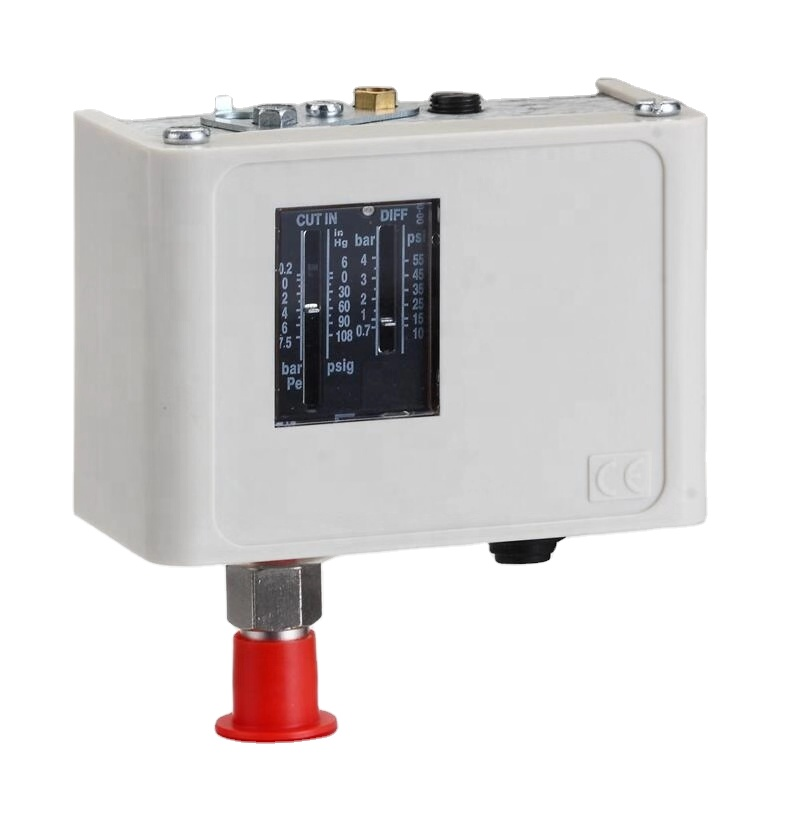
The Critical Necessity of Precision in Refrigeration Maintenance
In the demanding world of HVAC/R service and maintenance, success is measured in increments of degrees and PSI. Facility managers and field technicians often overlook the invisible influence of measurement accuracy, yet it remains the single most significant factor in system performance. High-quality refrigeration tools serve as the bridge between theoretical efficiency and actual operational reality. When these instruments deviate from their factory specifications, the resulting errors cascade through the entire cooling circuit. A system may appear to be operating normally, while underneath, compressors are struggling, and energy consumption is spiraling. Ensuring that every sensor, gauge, and analyzer is properly maintained is not merely a box-ticking exercise; it is the fundamental foundation of reliable thermal management and long-term system protection. Precision is not an option; it is an obligation for those managing complex mechanical systems that keep our modern world cool, comfortable, and productive.
Technical Foundations of Measurement Accuracy
Why is calibration such a non-negotiable aspect of professional practice? Every measurement device relies on internal sensors that naturally drift due to physical wear, environmental humidity, and repeated thermal cycling. Even a minor offset in pressure readings can lead a technician to undercharge or overcharge a system with refrigerant. This misstep disrupts the entire heat exchange process, forcing the compressor to work against increased resistance, which dramatically shortens its operational life. High-performance refrigeration tools must be kept within their tight tolerance windows to ensure that diagnostics reflect true system states. When engineers rely on precise data, they can identify subtle issues—such as non-condensables in the line or partially blocked expansion valves—before they escalate into catastrophic mechanical failures. The technical accuracy provided by professional-grade instrumentation ensures that maintenance teams can distinguish between a minor adjustment and a major repair, saving time and resources.
Economic Impacts and Energy Efficiency
Beyond the technical hurdles, the business case for maintaining calibrated refrigeration tools is overwhelmingly clear. Energy consumption represents the largest portion of the total cost of ownership for any cooling system. If instrumentation provides inaccurate feedback, the control systems often fail to optimize cycle times or load management, leading to significant energy waste. Organizations that mandate strict calibration protocols for their maintenance teams consistently see a reduction in utility expenditures. Furthermore, accurate data prevents the unnecessary replacement of healthy components. Often, technicians suspect a compressor failure when, in reality, a miscalibrated pressure gauge has provided false indicators. By investing in regular calibration and robust refrigeration tools, facility operators effectively shield themselves from inflated maintenance costs and the premature disposal of expensive hardware that still has years of useful life remaining. Efficient operation is directly tied to the ability to monitor and regulate every aspect of the cooling process with absolute confidence.
Field Realities and Diagnostic Troubleshooting
In the field, seasoned technicians know that the reliability of refrigeration tools is their most valuable asset. During high-pressure troubleshooting scenarios, trusting a piece of equipment that hasn't been verified in six months is a gamble that rarely pays off. Real-world cases frequently show that even premium-grade digital manifolds can experience sensor drift after being dropped or exposed to extreme ambient temperatures. Proactive professionals often keep a reference gauge or a verification kit in their trucks to perform quick, on-site checks. When diagnosing intermittent issues like high-side head pressure fluctuations, having complete confidence in the data allows a technician to act decisively. This level of professional rigor prevents the "trial-and-error" approach to repair, which is the hallmark of inexperienced service providers and leads to prolonged downtime. Consistent, verified readings are the difference between a satisfied client and a costly callback that damages a service provider's reputation.
Eletek and the Standard of Engineering Excellence
Achieving the highest standard of operational reliability requires more than just field skill; it requires access to high-precision hardware supported by a reliable supply chain. Eletek understands the deep technical requirements of the global cooling industry. By focusing on stringent quality control and high-performance manufacturing standards, Eletek provides the essential components and instrumentation support that enable service teams to maintain their systems with confidence. The ability to source components that are consistent, durable, and highly precise is what separates a standard service provider from an industry leader. Through a deep commitment to engineering excellence, Eletek ensures that facility managers and system integrators have the high-quality refrigeration tools and supporting hardware necessary to optimize their infrastructure, providing a stable foundation for growth and operational success in any environment. Choosing the right partner for your critical components ensures that your maintenance standards are never compromised.
Securing Long Term Infrastructure Stability
The cumulative benefit of prioritizing measurement precision and calibrated refrigeration tools manifests in the extended life cycle of the cooling infrastructure. Whether one is managing a massive data center, a cold-storage logistics hub, or a complex commercial HVAC setup, the integrity of the data defines the reliability of the system. Investing in high-grade equipment from the start simplifies the maintenance cycle and drastically reduces the probability of emergency failures. Eletek remains dedicated to empowering the industrial sector with robust solutions that uphold global performance standards. By maintaining a focus on precision and quality, the entire heat rejection process remains smooth, quiet, and highly energy-efficient throughout its operational life, ensuring that cooling systems continue to perform at their peak for years to come. In an era where efficiency and sustainability are paramount, having the right tools is the only way to guarantee that your systems meet the challenges of tomorrow while maintaining the performance of today.