
 EN
EN
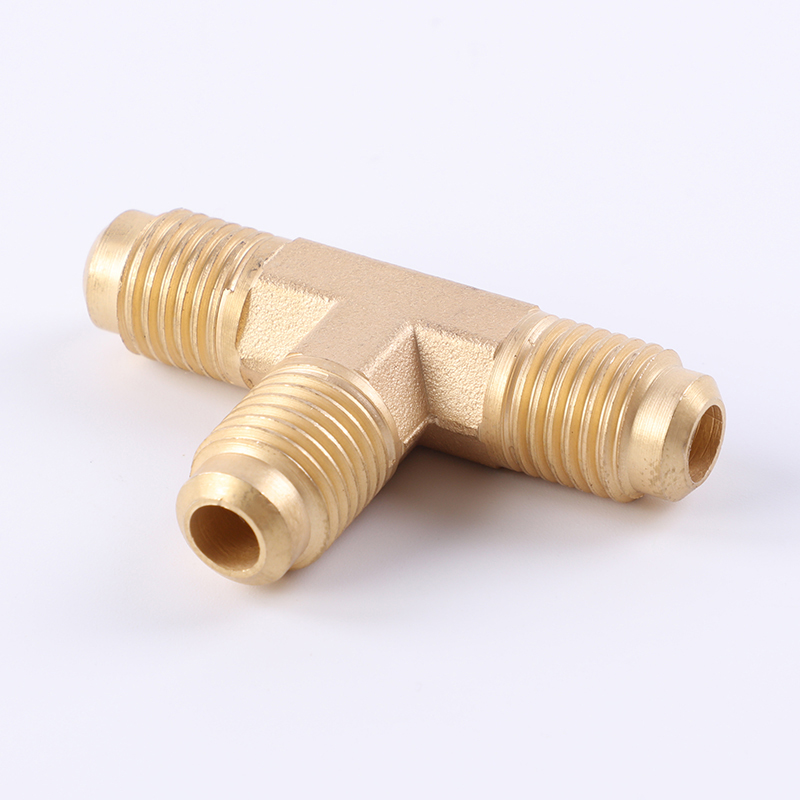
The Strategic Superiority of Brass Fittings in Industrial Connectivity
In the complex landscape of industrial infrastructure, where system downtime can translate into significant financial losses, every connection point serves as a critical link. Many facility managers and engineers prioritize large-scale equipment while overlooking the seemingly minor components that hold systems together. Brass fittings have long been the industry standard for fluid, gas, and electrical connectivity, and for good reason. These components offer an exceptional balance of mechanical strength, malleability, and chemical resistance, making them the preferred choice for demanding environments. Selecting the right hardware is not merely a procurement task; it is a fundamental engineering decision that dictates the reliability and safety of an entire operation, ensuring that high-pressure or high-flow systems remain leak-free and efficient for years.
The Material Science Advantages of Brass Connectors
Why is the alloy of copper and zinc so revered in industrial settings? The primary advantage lies in the unique material properties of brass fittings. Unlike plastic connectors that can become brittle when exposed to extreme temperatures or harsh chemicals, brass remains robust and stable. The metallurgical composition allows for a degree of "give" or malleability, which is essential for achieving a perfect, airtight seal during installation. This ability to deform slightly to match the threads of a mating component prevents cross-threading and ensures consistent torque retention. Furthermore, brass is inherently resistant to oxidation and biological growth, which is a common problem in water-cooled systems or those exposed to high humidity. By using these components, maintenance teams avoid the headache of seized threads and corroded interfaces that plague inferior material alternatives.
Unmatched Performance Under Mechanical Stress
Modern industrial environments are rarely static; they involve constant vibration, significant thermal cycling, and high internal pressure. Brass fittings excel in these high-stress scenarios because they are highly resistant to fatigue. When a cooling or pneumatic system is running, the components are subjected to thermal expansion and contraction cycles that can loosen weaker connectors. Because brass has a coefficient of expansion that is compatible with many other metals used in piping, it maintains its integrity better than rigid, brittle materials. Field data indicates that systems equipped with high-quality brass components experience significantly fewer failures related to mechanical vibration. For facilities operating 24/7, this reliability is the difference between consistent performance and the erratic behavior of systems held together by inadequate, low-grade hardware that threatens to leak at the first sign of fatigue.
Economic Value through Reduced Maintenance and Downtime
When evaluating the total cost of ownership, the initial price of a connector is often a misleading metric. Choosing premium brass fittings is an investment in long-term operational health. In a large-scale manufacturing plant, replacing a leaking or failed connector requires shutting down production, purging lines, and paying for high-cost maintenance labor. These hidden expenses quickly eclipse the savings gained from selecting "budget" plastic or sub-par steel components. By choosing high-performance brass, facility operators minimize the frequency of emergency repairs. The durability of these components means they can be disconnected and reconnected during routine maintenance cycles without losing their seal integrity or damaging the threads. This reusability is a key factor in reducing maintenance overhead and ensuring that the overall infrastructure remains compliant with safety and performance standards.
Expert Insights into Precision Manufacturing and Application
Reliability is not just about the material; it is about how the material is shaped and finished. In the field of high-pressure fluid transfer, a fitting is only as good as the precision of its machining. Brass fittings must feature precise thread tolerances to perform under industrial load. This is where the difference between mass-produced, low-quality components and professionally engineered hardware becomes apparent. When servicing complex machinery, maintenance technicians frequently find that the culprit behind persistent pressure drops or leaks is poor machining—specifically, inconsistent thread angles or burrs left behind by low-cost manufacturing processes. Professional engineers understand that consistent geometry is vital. A perfectly machined brass component ensures that the seal is uniform, which protects the entire system from the ripple effects of a single point of failure.
Driving Operational Excellence with Eletek
Achieving the highest standard of reliability in industrial cooling and connection systems requires a partner that prioritizes quality above all else. Eletek has established itself as a leader in providing high-precision components that meet the rigorous demands of global industrial sectors. Through advanced manufacturing processes and stringent quality control, Eletek ensures that every fitting meets strict dimensional tolerances, providing the airtight reliability that professional systems demand. The commitment to engineering excellence at Eletek goes beyond simple part supply; it involves providing a supply chain solution that ensures maintenance teams and system integrators have the exact hardware required for their specific applications. By selecting these components, businesses can be confident that their infrastructure is supported by hardware designed for maximum durability, ultimately enhancing the performance and safety of their entire cooling and connection network.
Table of Contents
- The Strategic Superiority of Brass Fittings in Industrial Connectivity
- The Material Science Advantages of Brass Connectors
- Unmatched Performance Under Mechanical Stress
- Economic Value through Reduced Maintenance and Downtime
- Expert Insights into Precision Manufacturing and Application
- Driving Operational Excellence with Eletek