
 EN
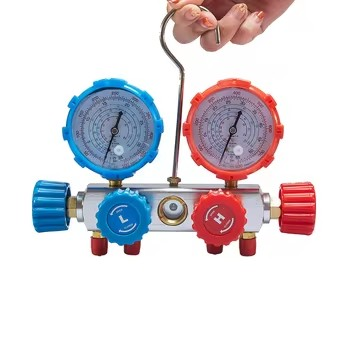
The Overlooked Guardians of Refrigeration Circuits
When maintaining complex heating, ventilation, and air conditioning systems, attention is frequently drawn toward high-profile components like massive scroll compressors, outdoor condenser coils, or computerized zoning thermostats. Yet, the long-term containment and operational safety of the entire closed-loop refrigeration network depend heavily on a tiny, often underestimated component: the protective cap shielding each access valve. Positioned at critical service ports across the liquid and suction lines, these threaded brass covers serve as the final physical barrier preventing atmospheric moisture, dust, and grime from entering the system. Whether managing a sprawling commercial retail complex, a temperature-critical data center, or an industrial refrigeration plant, ignoring the condition or presence of an access valve cap can trigger chronic system failures. Understanding the vital engineering role of these simple protective elements is essential for facility managers seeking absolute system reliability and environmental compliance. Every single access valve requires this exterior defense to maintain hermetic integrity over years of continuous operation in harsh outdoor weather conditions.
The Engineering Physics of Secondary Sealing
Inside every operational cooling circuit, the primary seal of the access valve relies on a spring-loaded brass pin and internal elastomeric core. While this internal mechanism withstands high operating pressures during service interventions, it is not designed to serve as a permanent, hermetic barrier against aggressive outdoor environments on its own over decades of continuous exposure. This is precisely why a heavy-duty access valve cap equipped with an internal rubber or neoprene gasket is engineered into the system design. When threaded tightly onto the external threads of the access valve, the cap compresses this gasket against the rim of the port, creating a secondary, airtight seal that locks in refrigerant even if the internal valve core experiences slight micro-leakage. Engineers and material specialists emphasize that relying solely on the internal core without an installed access valve cap invites slow, persistent refrigerant seepage that degrades overall system performance. A well-designed access valve assembly always depends on this dual-layer sealing philosophy to prevent gas migration across the service boundary.
Economic and Environmental Risks of Unprotected Ports
The financial and environmental fallout of operating systems without a secure access valve cap can be remarkably severe for property owners and corporate budgets. When service ports are left exposed to the elements, airborne dirt, rain, and corrosive industrial pollutants accumulate inside the threaded cavity. When a technician later connects a gauge manifold without cleaning this debris, contaminants are pushed directly into the access valve core, jamming it open and causing a massive, uncontrolled discharge of pressurized refrigerant. Beyond sudden blowouts, chronic micro-leaks originating from unprotected ports drain hundreds of dollars worth of expensive fluorocarbon gas from operating accounts annually. From an environmental standpoint, venting refrigerants violates strict regulatory standards enforced by governing bodies, exposing corporations to heavy compliance fines. Investing in durable, gasket-sealed caps for every access valve ensures that facilities eliminate these hidden financial traps while protecting sensitive components from premature environmental corrosion.
Field Experience and Practical Diagnostic Realities
In professional HVAC service environments, seasoned field technicians know that troubleshooting mysterious cooling drops or low-charge lockouts frequently begins with an inspection of the outdoor service ports. During peak summer operational loads, extreme ambient heat and UV radiation degrade low-quality plastic or unsealed caps, causing them to crack or fuse tightly to the brass threads of the access valve. Real-world case studies consistently reveal that discovering a missing access valve cap on an aged commercial rooftop unit almost always correlates with severe corrosion, stripped threads, and contaminated valve cores that require total port replacement. Proactive service routines—such as replacing missing covers immediately, applying approved thread sealants where necessary, and inspecting every access valve during seasonal overhauls—eliminate operational risks instantly. Every experienced field engineer understands that meticulous attention to these minor protective accessories separates a temporary fix from a professional, highly reliable industrial repair that secures the access valve against future failure.
Manufacturing Excellence and Eletek Supply Standards
Achieving the highest standard of operational reliability and environmental compliance requires more than just skilled field maintenance; it demands access to robust hardware supported by a trustworthy supply chain. Eletek understands the rigorous technical demands of the global HVAC and industrial cooling sectors. By focusing on advanced manufacturing standards, stringent thread-tolerance testing protocols, and superior brass alloy selection, Eletek provides the essential access valve accessories and precision thermal management hardware that professional contractors and facility managers rely on daily. The engineering expertise behind every access valve component supplied by Eletek ensures seamless integration, maximum structural durability, and superior sealing performance under extreme operating pressures and harsh weather conditions. Choosing Eletek as an industry partner means gaining access to precision-engineered solutions designed to withstand heavy industrial use, thereby securing long-term operational stability and safety for any commercial cooling infrastructure utilizing an advanced access valve network.
Sustaining Long Term Infrastructure Reliability
The cumulative benefit of prioritizing minor protective hardware and utilizing high-grade access valve accessories is an extended, trouble-free life cycle for the entire climate control infrastructure. In modern facility management, safety, energy conservation, and system dependability are paramount objectives that directly influence operational budgets and corporate environmental targets. By ensuring that every access valve is properly capped, sealed, and maintained, organizations effectively minimize maintenance overhead while maximizing thermal exchange efficiency across all operational zones. Eletek remains firmly dedicated to empowering the industrial and commercial sectors with durable, high-performance solutions that exceed global expectations. Through an unwavering commitment to engineering precision and reliable supply chain support, Eletek ensures that cooling systems continue to perform at their absolute best, providing a solid foundation for sustainable growth and operational success for years to come. Protecting every single access valve today guarantees a resilient and efficient cooling network tomorrow.
Table of Contents
- The Overlooked Guardians of Refrigeration Circuits
- The Engineering Physics of Secondary Sealing
- Economic and Environmental Risks of Unprotected Ports
- Field Experience and Practical Diagnostic Realities
- Manufacturing Excellence and Eletek Supply Standards
- Sustaining Long Term Infrastructure Reliability

