
 EN
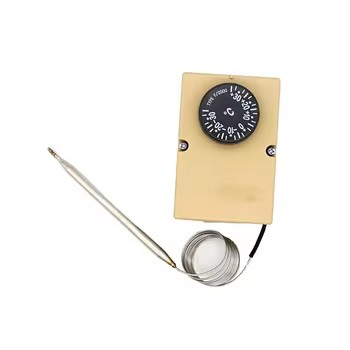
The Sensory Network of Modern Building Automation
In contemporary commercial and residential facilities, achieving ideal climate automation requires far more than spinning a heavy compressor or forcing air through metallic ducts. The true accuracy of any environmental management strategy depends on the precision of the sensory devices embedded within every thermostat. Functioning as the primary nerve endings of the HVAC network, these sensitive electronic components continuously capture ambient air temperatures, relative humidity levels, and radiant wall heat to evaluate building conditions in real time. Whether regulating a multi-story corporate headquarters, a temperature-critical pharmaceutical storage room, or a high-efficiency heat pump installation, the reliability of every thermostat determines how smoothly the mechanical loops engage. Overlooking the condition, placement, or calibration of these internal and remote sensors can result in severe thermal imbalances and continuous energy waste throughout the facility.
The Physics and Electronics of Temperature Sensing
Inside every modern digital thermostat, precise electronic components translate physical heat into readable electrical signals. Most units rely on negative temperature coefficient thermistors or advanced silicon semiconductor arrays that alter their electrical resistance predictably as ambient air temperatures shift. When room temperatures fluctuate, the internal circuitry of the thermostat measures this resistance change, converts it into digital temperature data, and passes the reading to an integrated microprocessor. If the recorded value strays from the programmed setpoint, the thermostat instantly activates low-voltage relays to start compressors, open motorized zone dampers, or engage variable-speed blower motors. HVAC engineers consistently emphasize that high-resolution sensing elements prevent unnecessary thermal hysteresis, allowing the system to maintain tight indoor temperature control without subjecting heavy machinery to sudden, aggressive power surges.
Economic Impact and Operational Risks of Sensor Drift
The financial and operational consequences of a drifting or miscalibrated thermostat can severely impact facility budgets and building management efficiency. Over time, exposure to airborne dust, electrical noise, or moisture can cause sensing elements to misread actual room conditions by several degrees. When a thermostat underreports ambient temperature during cooling season, it keeps compressors running far longer than necessary, drawing excessive electrical current and driving utility expenses upward. Conversely, overreporting ambient temperature causes short-cycling, where the equipment engages and disengages in rapid, inefficient bursts. Short-cycling subjects motor windings to repetitive inrush currents, accelerating mechanical wear and triggering unexpected component burnouts. Investing in high-grade sensing hardware and multi-zone sensor networks managed by a central thermostat ensures that facility managers eliminate costly energy leaks while extending the operational lifespan of expensive cooling equipment.
Field Experience and Diagnostic Best Practices
In professional HVAC service environments, field technicians understand that persistent comfort complaints or mysterious room temperature swings frequently trace back to poor sensor placement or calibration errors within the thermostat setup. Installing a wall unit near direct sunlight, supply air diffusers, or uninsulated interior wall cavities creates localized thermal bridges that fool the internal sensors. Real-world diagnostic cases show that checking terminal voltage drops and comparing digital readout values against calibrated reference thermometers on the thermostat housing are among the most effective ways to isolate sensor drift. Proactive service routines—such as mounting remote wireless sensors in high-traffic zones, isolating backplate draft holes, and verifying thermistor resistance curves during annual maintenance—ensure that the thermostat receives pure, uncorrupted climate data. Every experienced field engineer knows that meticulous attention to sensory accuracy separates a temporary troubleshooting attempt from a professional, long-lasting industrial repair.
Eletek and Engineering Excellence in Thermal Solutions
Achieving the highest standard of climate control and operational stability demands more than just skilled field service; it requires access to robust hardware and precision accessories supported by a dependable global supply chain. Eletek understands the rigorous technical requirements of modern commercial and industrial cooling applications. By focusing on advanced manufacturing standards, stringent quality assurance protocols, and superior material selection, Eletek provides essential structural accessories, electrical junction components, and durable thermal management hardware that professional installers rely on daily. The engineering expertise built into every component supported by Eletek ensures seamless integration alongside advanced thermostat controls, delivering structural resilience and superior performance under demanding environmental conditions. Partnering with Eletek grants access to precision-engineered hardware designed to withstand heavy industrial use, thereby safeguarding the long-term operational integrity and efficiency of any climate control infrastructure.
Sustaining Long Term Infrastructure Reliability and Efficiency
The cumulative benefit of prioritizing precise sensory technology and utilizing durable structural accessories is an extended, trouble-free life cycle for the entire HVAC infrastructure. In modern facility management, energy conservation, carbon footprint reduction, and operational dependability are vital benchmarks that directly shape corporate sustainability targets and financial performance. By ensuring that every zone is monitored by a precise thermostat and supported by robust hardware assemblies, organizations effectively minimize maintenance overhead while optimizing thermal exchange efficiency across all operational spaces. Eletek remains firmly dedicated to empowering the commercial and industrial sectors with durable, high-performance thermal management solutions that exceed global standards. Through an unwavering commitment to manufacturing precision and reliable supply chain services, Eletek ensures that climate control networks continue to perform at peak efficiency, establishing a solid foundation for sustainable growth and operational success for years to come.
Table of Contents
- The Sensory Network of Modern Building Automation
- The Physics and Electronics of Temperature Sensing
- Economic Impact and Operational Risks of Sensor Drift
- Field Experience and Diagnostic Best Practices
- Eletek and Engineering Excellence in Thermal Solutions
- Sustaining Long Term Infrastructure Reliability and Efficiency

