Superior Durability and Reliability
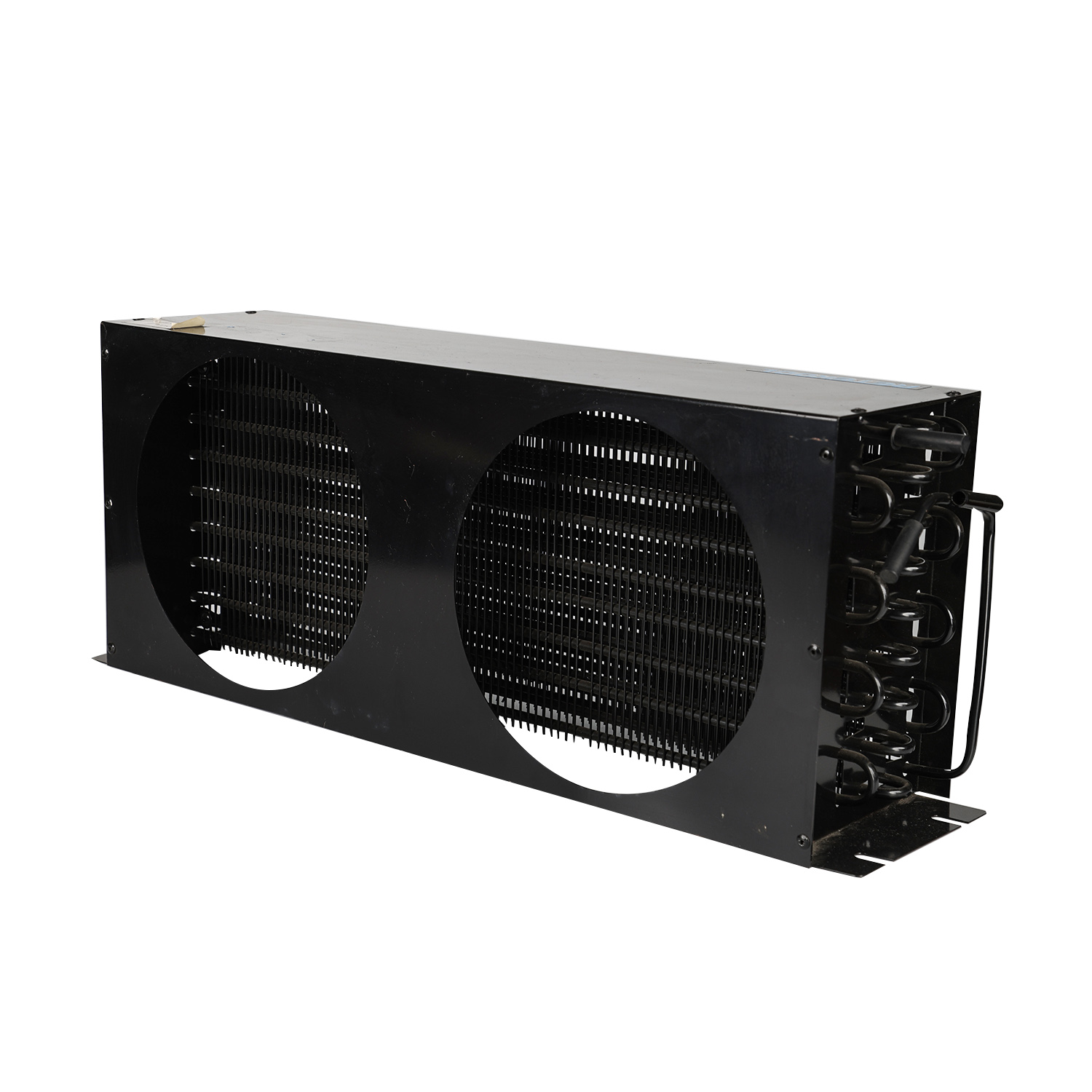
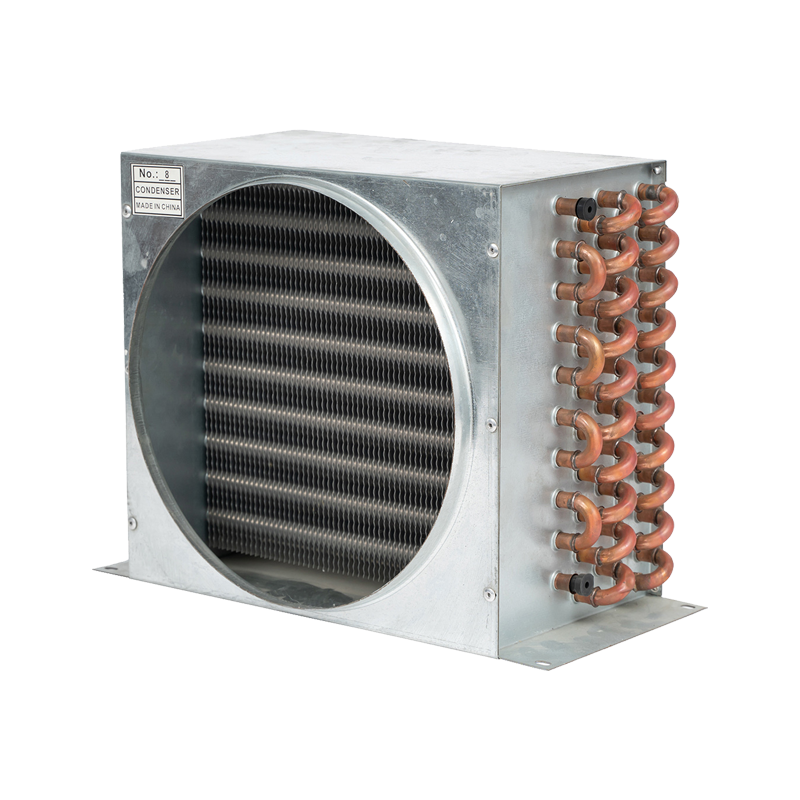
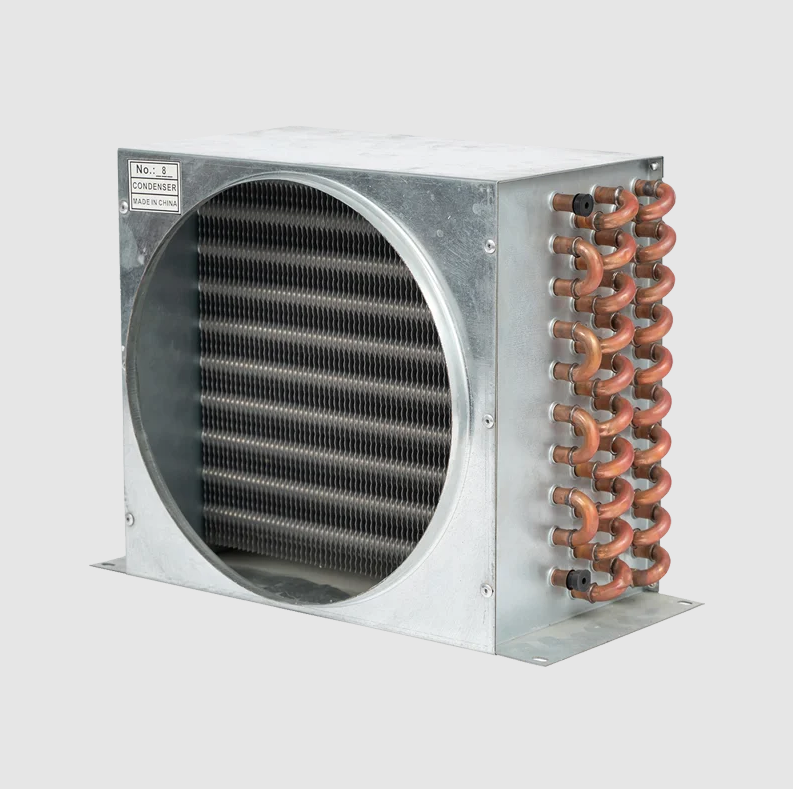
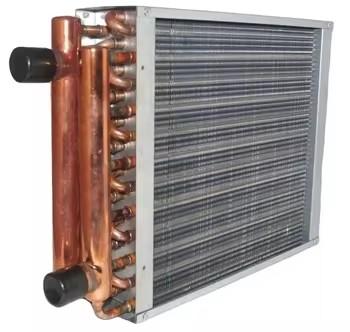
We understand that industrial operations demand equipment that can withstand harsh environments and continuous operation. That is why our evaporative condensers are constructed using high-grade materials, including stainless steel and galvanized steel for the cabinet, and copper tubes with aluminum fins or all-stainless steel options for the coil. These materials offer excellent corrosion resistance against moisture, chemical exposure, and UV degradation, ensuring a prolonged service life. Furthermore, our manufacturing processes adhere to strict quality control standards, including rigorous testing in our in-house laboratory. Components such as fans, motors, and pumps are sourced from reputable suppliers known for their reliability, and each unit undergoes comprehensive performance and safety checks before leaving our factory. This commitment to quality minimizes unexpected downtime, reduces repair costs, and provides peace of mind.

 EN
EN
 ONLINE
