
Against the backdrop of increasingly fierce industry competition and rising stringent requirements for product standardization, quality consistency and cross-department operational collaboration, many frontline sales, administrative procurement and after-sales departments have long relied on outdated written documents, printed product brochures and scattered internal electronic files to understand core product parameters and sophisticated manufacturing processes. Most of these paper and digital materials are compiled periodically, lacking real-time updates on process iteration and equipment upgrading.
Fragmented and lagging materials often lead to superficial product cognition among business employees, disjointed daily business docking and severe information asymmetry between customer-facing business departments and back-end production teams. Such long-standing problems indirectly drag down order delivery efficiency, trigger unnecessary customer consultations, damage brand reputation, and hinder the company’s overall operational stability. To bridge the long-standing information gap between functional departments and manufacturing terminals, unify internal work cognition, deepen non-production employees’ professional understanding of corporate products and production norms, the company recently organized non-production department employees to visit factory production lines in staggered batches to carry out systematic and targeted field study activities. The batch-based arrangement can effectively avoid disrupting daily intensive production progress, stabilize workshop operational rhythm, guarantee on-site safety management, and ensure every trainee can obtain sufficient on-site learning time and one-on-one targeted professional guidance.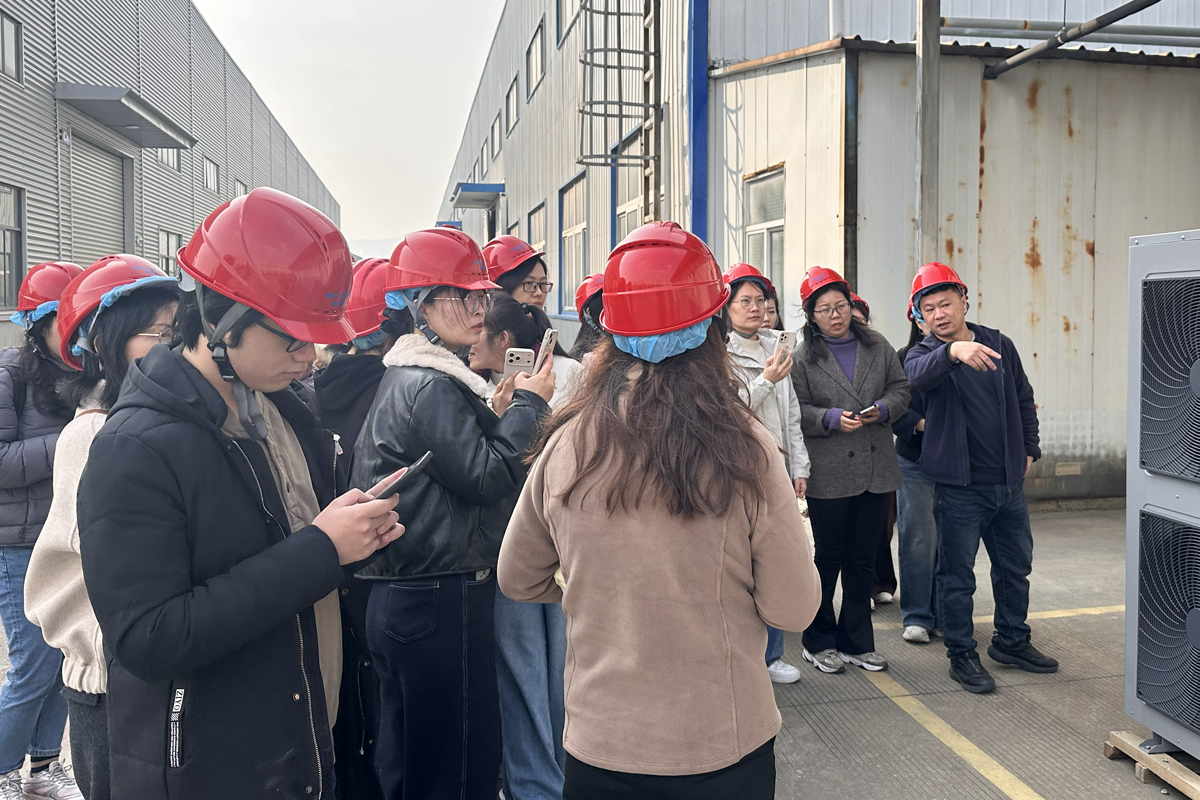
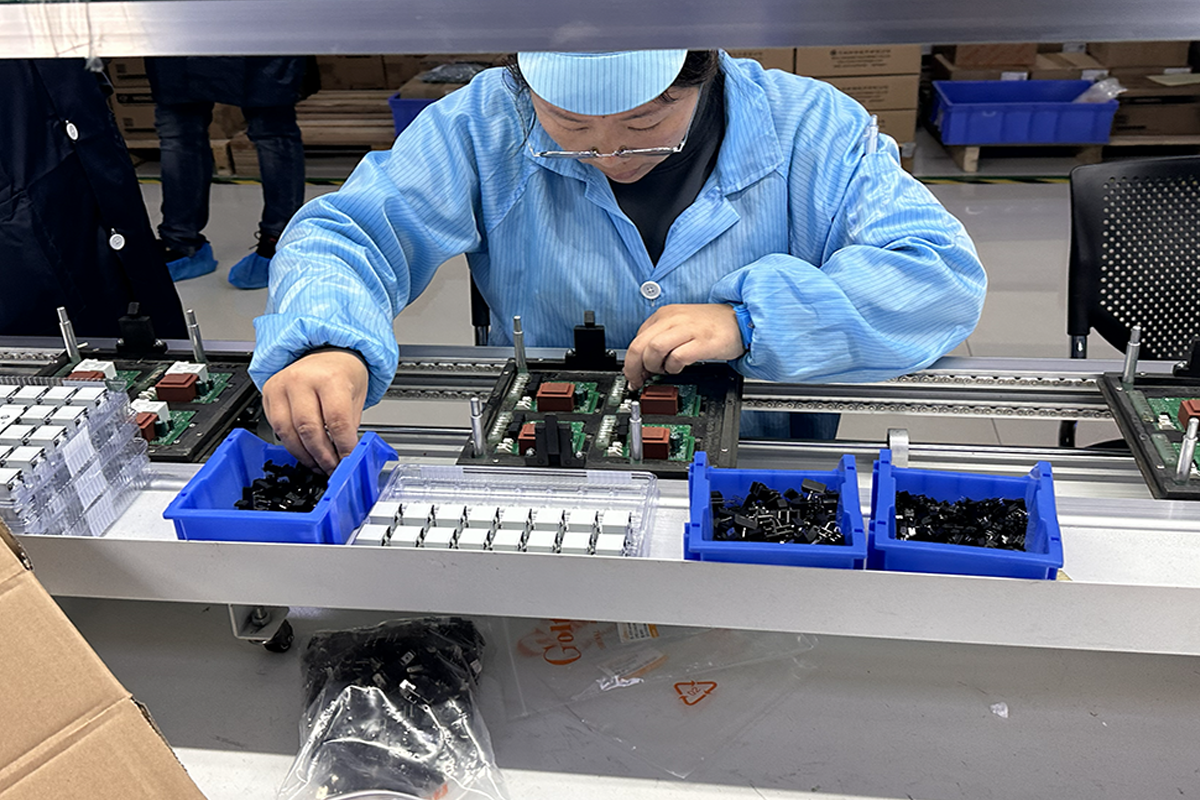
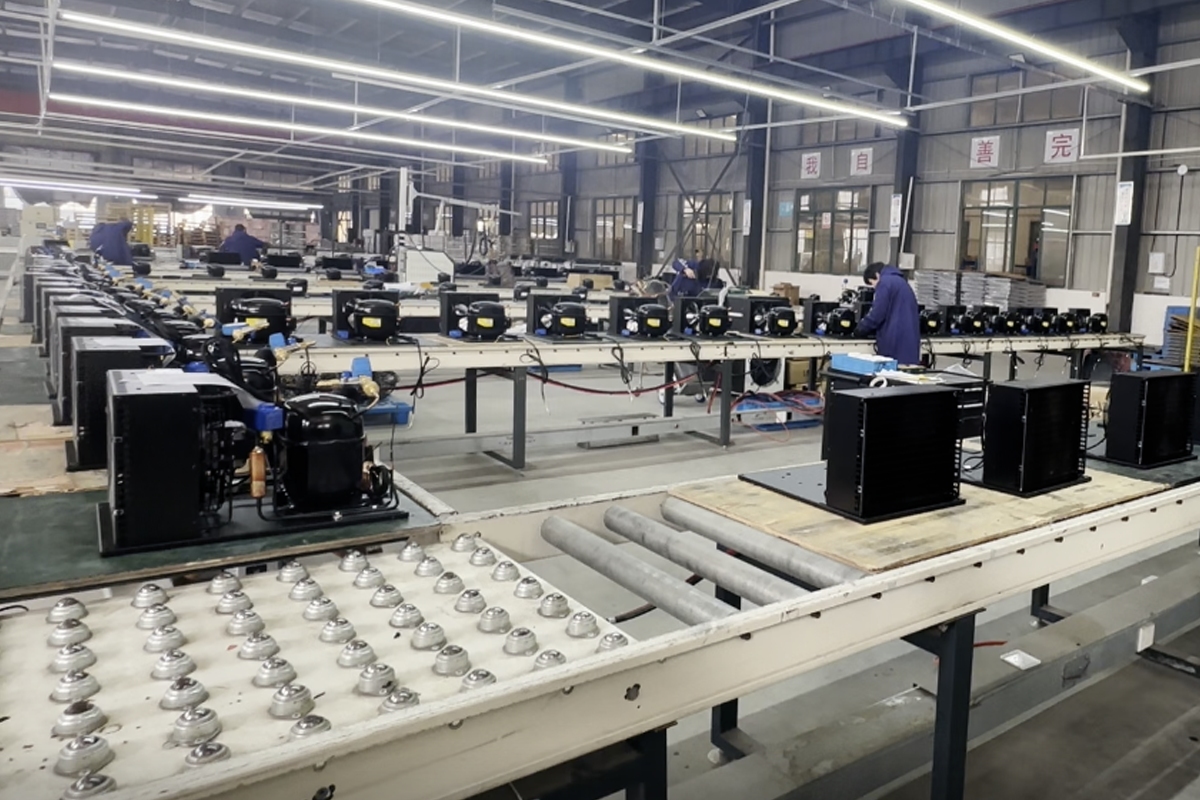
Under the joint and rigorous arrangement of the production management department and human resource department, all participating employees followed professional production supervisors to pay field visits to core functional areas of the factory in sequence, including intelligent automated production workshops, constant-temperature raw material warehousing area, ventilated finished product storage space and independent professional quality inspection stations. Instead of conducting perfunctory and superficial sightseeing, the learning group went deep into every frontline working post of the production terminal, followed the whole industrial chain rhythm from raw material warehousing to finished product delivery, and observed the full closed-loop workflow covering raw material screening, precision mechanical processing, modular component assembly, operational performance debugging, multi-round finished product inspection and vacuum sealed storage. During the whole observation process, senior on-site technicians introduced automated equipment operation principles, daily routine maintenance specifications and unified processing standards in real time, pointing out vital process nodes that directly determine long-term product stability and safety. These vivid on-site explanations helped trainees connect abstract, text-based product parameters with tangible production links, and dismantle obscure technical terms that confused business staff in daily work.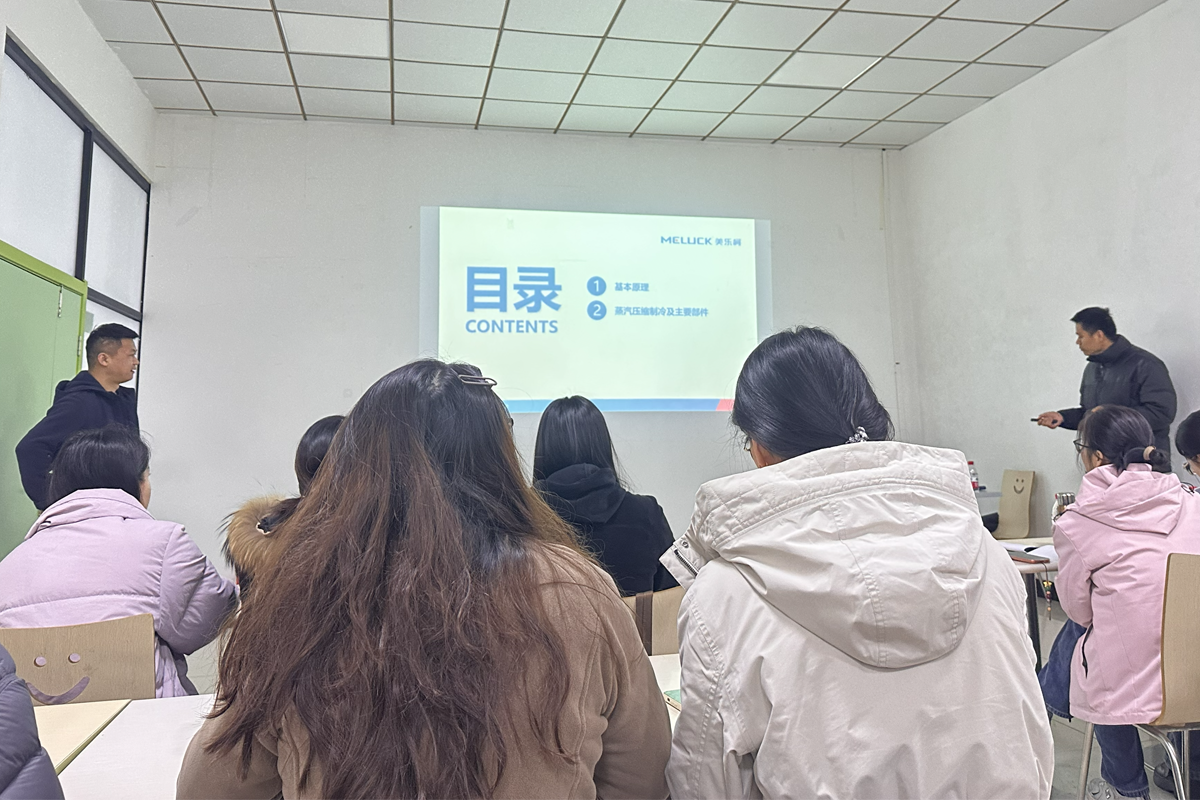
Apart from intuitive on-site observation of production procedures, the core value of this activity lies in face-to-face barrier-free professional communication across departments. After the centralized workshop visit, all trainees attended an offline interactive symposium together with senior technical engineers and mid-level production management leaders. Different from rigid, scripted and efficiency-oriented offline internal meetings, the two sides launched interactive and down-to-earth in-depth discussions focusing on four major practical directions: recurring production difficulties, raw material and accessory product selection criteria, full-process quality control mechanisms, and upstream and downstream supply chain optimization schemes. Business employees actively raised realistic dilemmas encountered in daily customer reception and order negotiation, such as repeated customer doubts about long-term product durability, customized parameter matching confusion, frequent delivery cycle consultation, and after-sales product failure attribution disputes.
In response to varied on-site practical questions, production leaders gave targeted and straightforward replies combined with real workshop working conditions. They analyzed core production-restricting bottlenecks such as partial aging of processing equipment, seasonal raw material delivery delays and manpower scheduling pressure during order peaks, explained standardized material selection logic balancing product cost performance and industrial safety standards, and shared the complete set of internal quality inspection mechanisms including random sampling inspection, hydraulic pressure testing and long-term aging detection. Meanwhile, business department staff also fed back authentic market terminal demands collected from massive customer groups, including lightweight product structure optimization, eco-friendly packaging upgrading and humanized operation interface adjustment suggestions, delivering valuable first-hand market data for the production team’s subsequent technological iteration and product upgrading.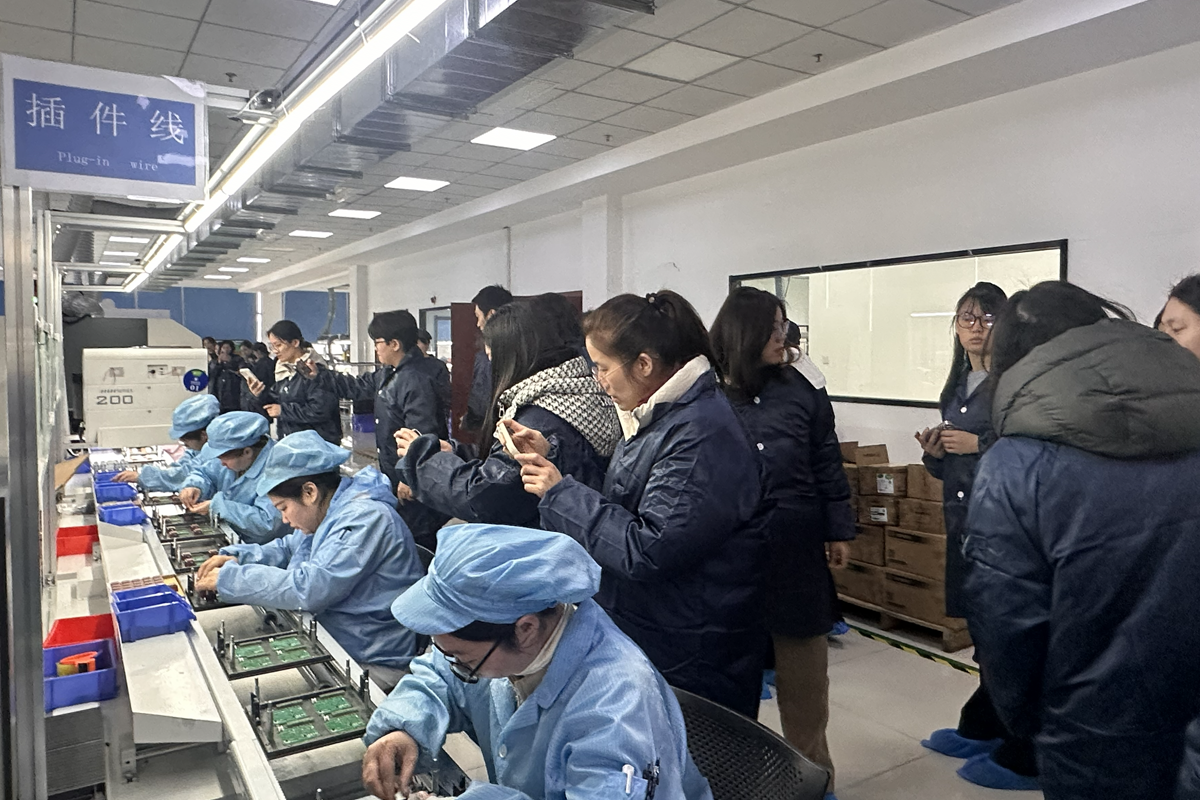
Compared with rigid regular offline training and tedious written induction courses, this immersive on-site learning thoroughly breaks away from monotonous paper-based teaching materials and fragmented scattered electronic documents. It allows cross-department employees to get rid of mechanical passive knowledge memorization, and systematically sort out internal product operation logic starting from the original production source. After the study, trainees no longer understand products merely from sales profit and business negotiation perspectives, but build a complete and three-dimensional cognition covering actual production cost, technical process difficulty, strict quality access threshold and potential supply chain risks, which greatly eliminates professional blind spots and misunderstanding risks in daily cross-department cooperation.
Right after concluding the intensive field study, every participant sorted out standardized learning notes independently. They combined on-site production operation conditions with their daily job responsibilities, objectively summarized existing work shortcomings and cross-department docking barriers. For instance, sales staff clearly realized they had overpromised customized functions beyond actual production capacity in previous order communication, causing unnecessary production pressure and customer expectation gaps; procurement employees found out unreasonable periodic raw material ordering plans occupied excessive warehouse space, increased inventory warehousing pressure and overall production operating costs. All staff classified collected workplace problems by department attributes, recorded operable improvement measures, and sorted out targeted standardized work suggestions aiming at common departmental docking pain points.
Moving forward, all trainees will take mature and efficient production management modes as the benchmark, systematically learn lean production and refined workshop management concepts, optimize trivial cross-department business docking details, standardize pre-order confirmation steps, unify internal product explanation standards, and smooth information transmission links between business and production departments. The company will also systematically summarize practical outcomes of this on-site learning activity, solidify long-term cross-department communication mechanisms, and launch regular rotating production line study activities every quarter. Ultimately, we will transform immersive practical learning results into stable internal driving forces for corporate operation development, continuously polish product manufacturing quality, refine full-link customer service processes, and promote long-term steady improvement of the company’s comprehensive industrial competitiveness amid fierce market competition.
 ONLINE

 EN
EN