
Modern corporate operation attaches great importance to employees’ mental health and internal team‑building harmony in current‑day competitive business environments. Nowadays, market‑driven targets, ever‑updating industry requirements and growing customer expectations force enterprises to pursue continuous output and fast progress. Long‑term intensive daily work, repetitive daily business tasks and tight project schedules often bring persistent and heavy‑duty work pressure to staff members. Over time, accumulated tiredness may drain employees’ enthusiasm gradually, which may indirectly reduce individual work efficiency, produce negative workplace emotions and hinder smooth cross‑department communication. Team members tend to only focus on their own segmented job content without knowing colleagues’ actual challenges from other departments. To effectively relieve long‑term cumulative workplace stress, bridge deep‑rooted communication gaps between different departments, enhance internal collaboration efficiency and strengthen overall team cohesion, our company carefully planned, repeatedly adjusted detailed schedules and officially organized a one‑day offline team‑building activity for all in‑service employees in Nanjing recently. Instead of choosing rigid indoor training courses and boring competitive group games that make staff feel more exhausted, the company adopted a cultural‑tourism‑style team‑building mode, combining leisure sightseeing, local‑culture learning and relaxed emotional communication closely. This thoughtful design allows every staff member to step out of high‑pressure busy office environments temporarily, stay away from endless document processing and daily office trivialities, and enjoy a comfortable and heart‑warming collective journey together.
As a time‑honored ancient capital with profound historical heritage, Nanjing, also known as Jinling, boasts magnificent historical sites, well‑preserved ancient streets and rich traditional cultural deposits, so it was finally selected as the ideal destination for this group activity after repeated screening by the administrative team. Under the full and unified arrangement of the administrative department, all employees got up early and gathered at the company gate punctually in the early morning. Everyone boarded comfortable chartered buses and headed for Nanjing together. The whole journey was relaxed and pleasant without tense work‑related topics. Colleagues shared interesting daily trivia, funny workplace anecdotes and wonderful previous travel experiences along the way. Junior employees chatted with senior supervisors casually, which successfully broke the awkward working‑state estrangement caused by formal office identities and fully warmed‑up the collective happy atmosphere before arriving at the scenic spots.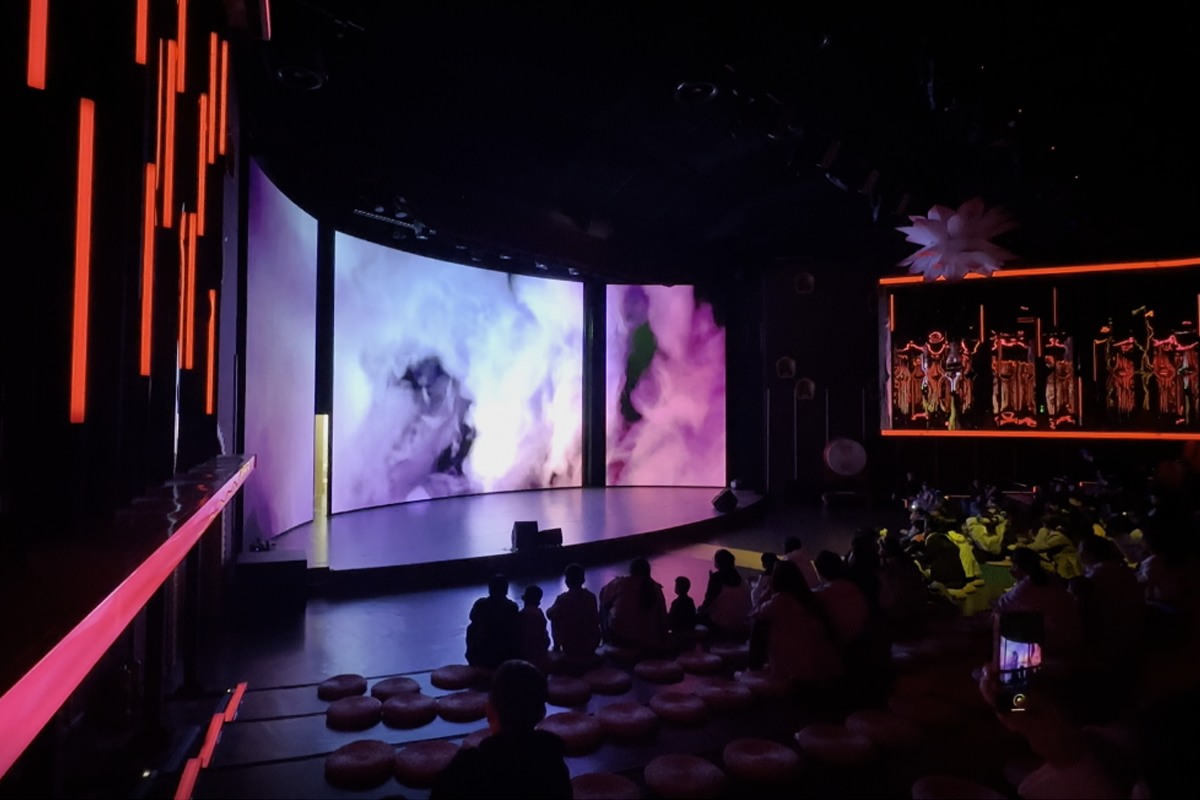
After arriving in downtown Nanjing, the whole team visited a host of city‑iconic landmarks one after another following planned routes. We firstly checked in at the city’s classic historical landmarks. Everyone admired grand ancient architectures that witnessed hundreds of years of historical changes, appreciated exquisite traditional carving crafts and delicate classical garden layouts, and deeply felt the profound charm of Jiangnan‑style history and culture. Afterwards, we wandered slowly along time‑honored ancient streets running through the urban core area. These streets are lined with antique wooden buildings, characteristic cultural‑and‑creative stores, traditional snack shops and peaceful ancient teahouses. They perfectly retain the original simple urban style of old Jinling. All employees slowed down their hurried work‑formed pace, strolled freely along rough bluestone pavements, admired elegant ancient eaves and finely carved railings, and immersed themselves in the gentle historical‑and‑cultural atmosphere unique to Jinling. Many colleagues took photos of ancient scenery and shared them in internal group chats, creating joyful interaction.
During the whole sightseeing trip, there was no rigid work arrangement or strict hierarchical restraint at all. Regardless of job positions, departments and working seniority, everyone traveled together in freely‑formed small groups. Colleagues took group photos to record precious beautiful moments, chatted casually about life hobbies, weekend plans and daily trivialities, and spontaneously exchanged practical work ideas and long‑term working experience. Many front‑line business staff and back‑office administrative colleagues who barely communicated during regular working hours seized this precious opportunity to launch in‑depth conversations sincerely. They frankly shared realistic difficulties encountered in daily collaborative work, put forward targeted small suggestions for optimizing cross‑department workflow and discussed feasible solutions, which eliminated invisible misunderstandings brought by asynchronous online work communication.
Different from the tense and rigorous office atmosphere, the relaxed and leisurely travel atmosphere greatly shortened the psychological distance between colleagues. Introverted employees who seldom take the initiative to communicate at work opened up gradually. They took the initiative to join group conversations and interesting interactive activities, and blended into this big collective quickly. Meanwhile, department leaders temporarily put aside heavy daily management work. They communicated equally with grassroots employees instead of talking in a commanding tone, patiently listened to their work confusion, inner worries and reasonable inner demands, and delivered sincere corporate care in a warm‑hearted way, which greatly narrowed the psychological gap between management members and ordinary employees.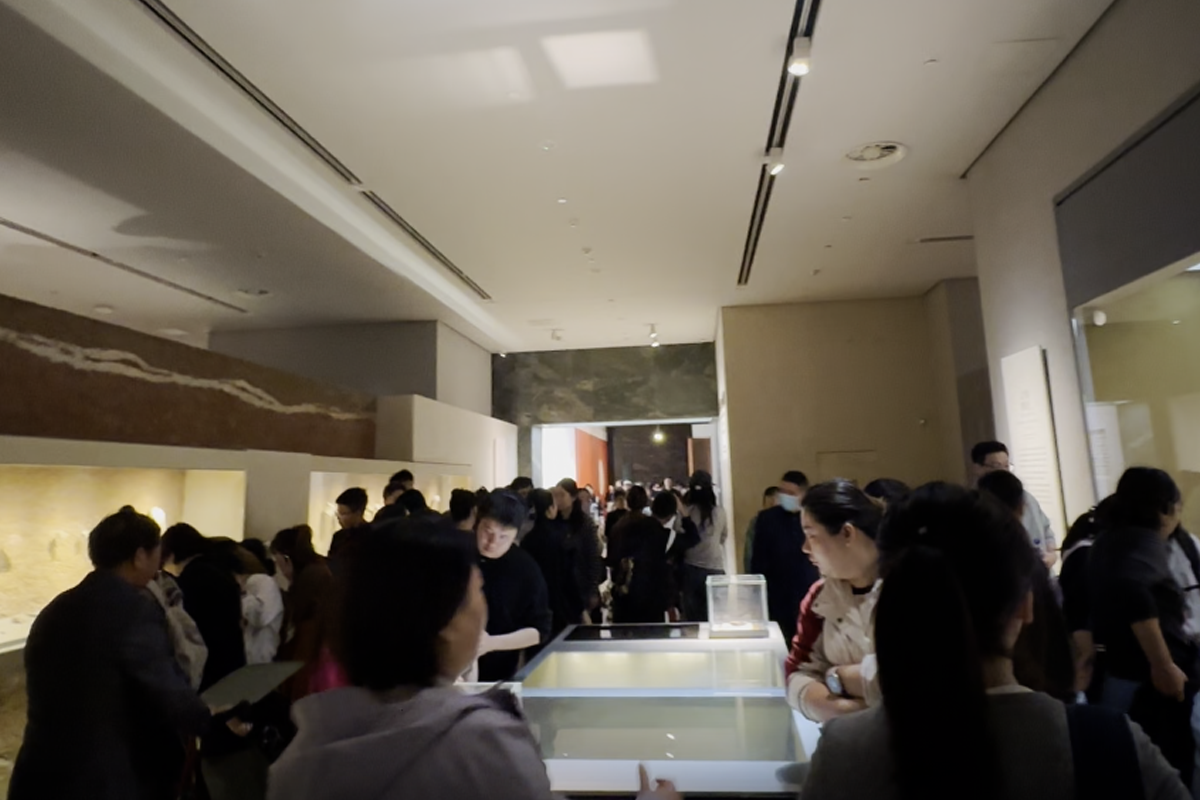
Looking back on this meaningful one‑day outing, this well‑organized team‑building activity has brought tangible long‑term positive effects to the whole company. On a personal level, it helps all staff get rid of mental burnout caused by long‑term overtime work and heavy daily workload, relax tense body and tired minds, relieve inner anxiety and persistent work pressure, and help everyone regain positive mental state for subsequent work. On the team level, it successfully breaks invisible communication barriers among finance, sales, administration, technical and procurement departments. Team members understand each other’s working burdens better, deepen mutual understanding and mutual trust, improve implicit teamwork tacit understanding, and lay a solid foundation for seamless cross‑department collaboration in follow‑up complicated business projects.
Furthermore, this well‑arranged collective activity also significantly strengthens employees’ sense of belonging and corporate identity. When experiencing the thoughtful and meticulous arrangements prepared by the company, every employee can perceive the enterprise’s people‑oriented management philosophy. They realize that the company values staff’s mental wellbeing rather than merely regarding employees as working tools and work as repetitive daily tasks. In the future, all team members will cast away negative work‑related emotions completely. They will return to their respective posts with full vitality, positive working attitudes and united team spirit. Everyone will cooperate more closely, support one another during tough working periods, jointly overcome upcoming operational difficulties, make consistent efforts to optimize overall work efficiency, and steadily promote the sustainable and stable development of our company amid fiercely competitive industry markets.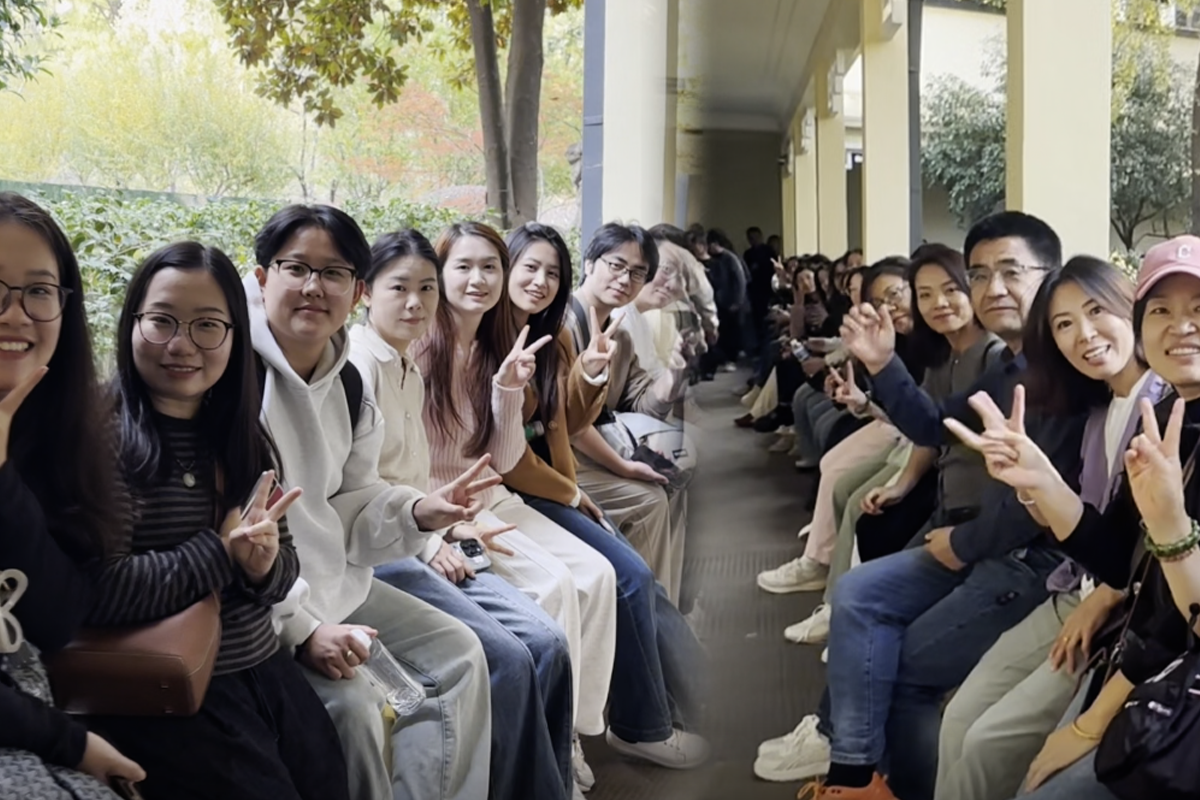
 ONLINE

 EN
EN